 Skip to Main Content
Network Cabling in Denton: Wire Your Home or Office Right the First Time
Trusted Denton electricians with over 50 years of experience
- Free estimates, verbal or written
- 50+ years of combined experience
- Serving all of Denton County
- 100% satisfaction guarantee
Need network cabling?
Get a Free Estimate
Signs Your Denton Property Needs Wired Network Drops
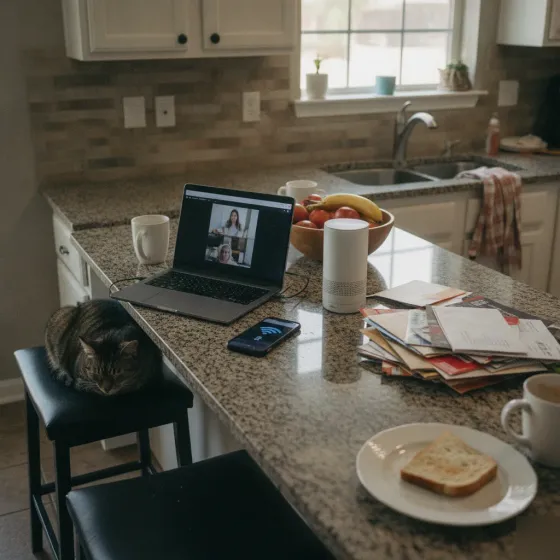
Quick Summary: If your WiFi drops in certain rooms, your video calls freeze, or you've added smart devices faster than your router can handle, that's usually a sign you need wired network drops, not just a new router. Older Denton homes with plaster walls and newer builds with long open floor plans both run into this same problem for different reasons.
So how do you know if this is a wiring issue? A lot of folks blame the router first. Usually it's not the router.
Homes built before the 1990s around older parts of Denton often have plaster and lath walls. WiFi signals just don't punch through that the way they do with drywall. And newer construction out toward the edges of Denton County isn't off the hook either, those open floor plans and vaulted ceilings spread your signal thin across a lot of square footage.
- One or two rooms always have weak or no WiFi signal, no matter where you move the router
- Video calls freeze or drop during work hours, especially with more than one person on a call at once
- You've added security cameras, smart TVs, or a home office setup and things slowed down for everyone
- Your business runs multiple registers, computers, or a phone system and can't afford network hiccups
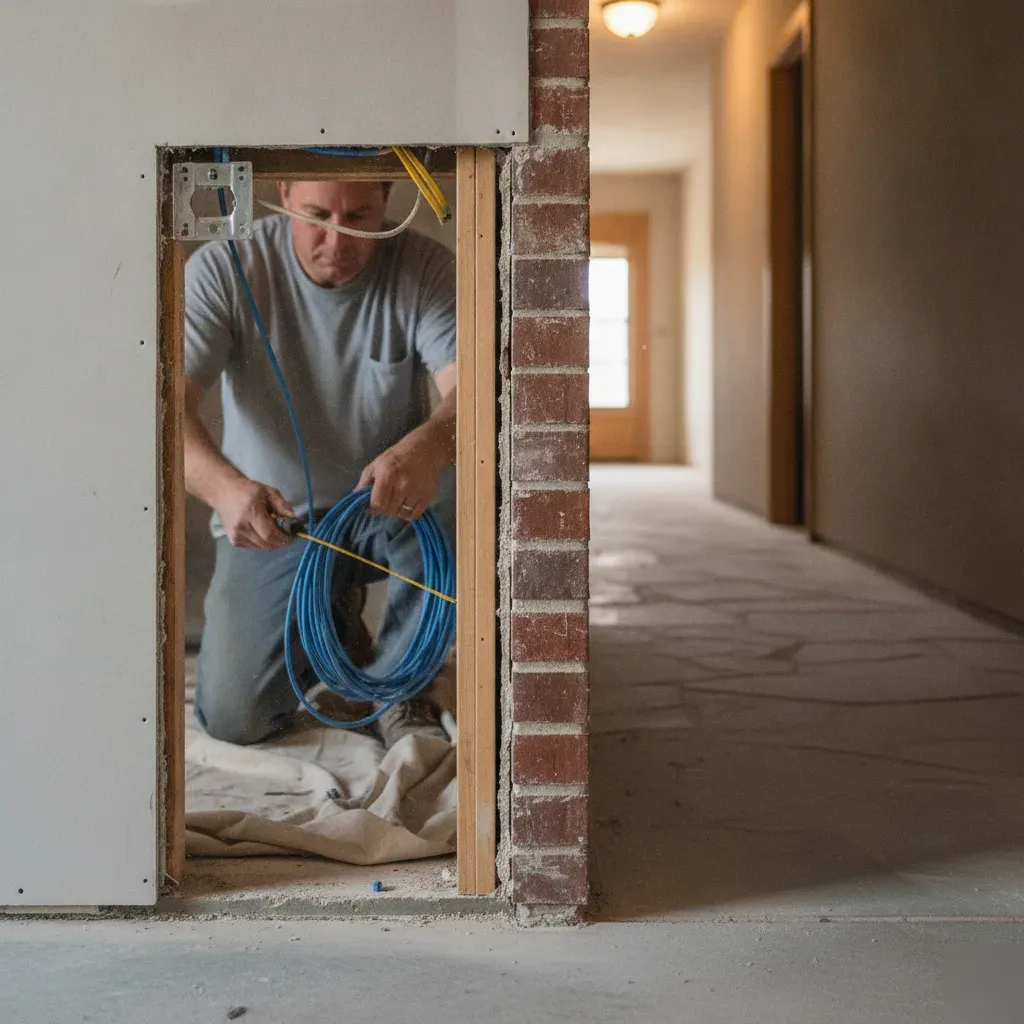
- You're finishing a garage, basement, or bonus room and want it wired before the drywall goes up
That last one comes up a lot. We'll get a call mid-renovation because someone realized they should've run cable before the walls closed in. If that's you, don't wait, call now while the studs are still open.
Why the Right Contractor Matters More Than the Cable Type
Here's the thing nobody tells you when you're shopping for network cabling: the cable itself is rarely the problem. We've pulled plenty of cable out of walls that was rated fine but installed wrong. Bent past its limit, stapled too tight, run right next to a breaker panel picking up interference. That's not a cable problem. That's a contractor problem.
Denton has a real mix of building stock, older homes near downtown with plaster and lath, newer builds out toward the edges of the county with open stud bays. Each one calls for a different approach to running cable cleanly and keeping it up to code. An electrician who does this work regularly knows how to fish a line through a 1970s wall without tearing it apart, and how to keep low-voltage runs separated from your electrical panel the way they should be.
We're a licensed electrical contractor, and that matters here more than people realize. Network cabling touches your electrical system whether you think about it that way or not. Runs near your panel, drops through the same walls as your wiring, sometimes shares the same attic space as your HVAC lines. Get it wrong and you've got interference, or worse, a code issue you won't spot until an inspection flags it.
So before you hire based on price alone, ask who's doing the work. Ask if they're licensed. Ask how they handle running cable near existing electrical. Those answers tell you more than any spec sheet on the cable box ever will.
When Wi-Fi Extenders Solve the Problem Instead
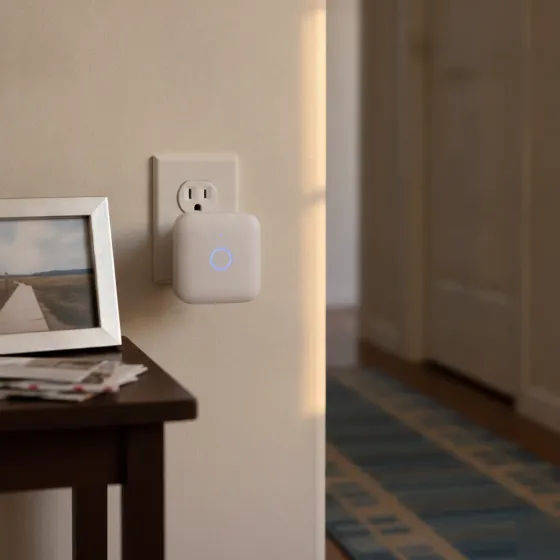
Let's be honest for a second. Not every dead zone needs a cable pulled through your walls. If your only issue is one weak spot, say the back bedroom or a detached garage, a mesh Wi-Fi unit or a decent extender might do the whole job for a fraction of the effort.
We tell people this all the time, even though it means less work for us. A house under two thousand square feet with normal framing usually doesn't need hardwired access points everywhere. One router placed right, or a two-pack mesh system, often covers it.
- You've got one weak spot, not a whole floor with problems
- Nobody in the house is gaming, streaming 4K, or working from home on video calls all day
- You don't have a home office, security camera system, or smart home setup that needs a stable connection
- The walls between rooms are standard drywall, not brick or block
So when does an extender fall apart? Older homes with plaster and lath, thick brick exteriors, or a garage apartment out back - that's where Wi-Fi just can't punch through reliably. And if you're running a business out of your house, or you've got four people on video calls at once, a signal booster is a band-aid, not a fix.
One dead corner in the kitchen isn't the same problem as a whole detached office losing connection every afternoon.
Try the fix first if your situation is simple. It's a fair way to test the waters before you commit to anything bigger.
Have questions? We're happy to help.
Get a Free Estimate. Higher Power Electric is ready to help.
How a Structured Cabling Installation Works, Step by Step
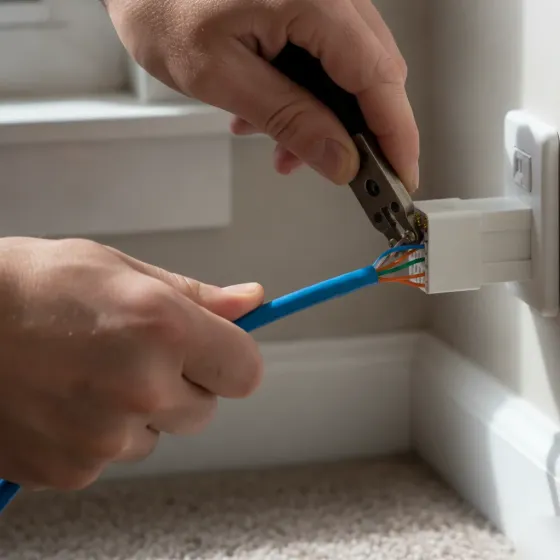
Here's the thing about Network Cabling. It's not just running a wire from point A to point B and calling it done. The real work is in the planning before we even pick up a drill.
- We walk the space with you and figure out where every device needs to land, from a receptionist desk to a security camera on the back wall.
- We map the route the cable will take, through attics, walls, or conduit, avoiding electrical lines that can cause interference.
- We pull the cable and leave slack at each end. Cable that's pulled too tight fails faster.
- We terminate each end onto a jack or patch panel, then label it so nobody's guessing in five years.
- We test every single run with a cable tester before we call it finished.
A lot of the older homes and small offices around downtown Denton weren't built with data in mind. Plaster walls and tight attic spaces mean we sometimes have to get creative with routing, especially in a building that's been added onto over the years.
That testing step matters more than people think.
A cable can look perfect and still fail under load. We check for shorts, opens, and split pairs before we ever plug in a device. Skip that step and you're chasing a mystery problem six months from now, usually at the worst possible time, like during a busy workday when nobody can afford the downtime.
What Drives Network Cabling Costs
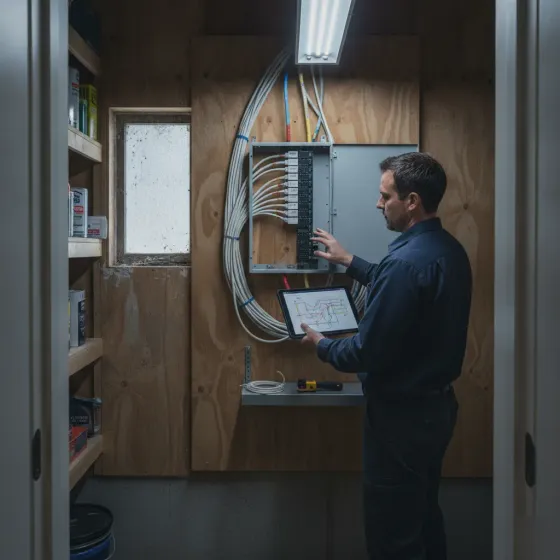
Nobody likes getting a number with no explanation behind it. So what moves the needle on a network cabling job. It's not random. A few things drive cost up, a few things bring it down, and knowing the difference helps you ask better questions before anyone touches your walls.
Distance is the big one. Running cable from your router to one office is a lot different than wiring six rooms across two floors. Access matters too. A house with an open attic and easy crawl space goes faster than one where we're fishing wire through finished walls with no attic access at all.
- How many drops or jacks you need, and where they're located
- Whether cable has to run through finished walls, ceilings, or tight crawl spaces
- The type of cable, since some jobs call for higher-rated cable than others
- Whether you need a patch panel or rack setup versus a few simple runs
- How old the building is, older Denton homes and downtown storefronts often weren't built with any cabling paths in mind
That last point matters more than people expect. A lot of Denton homes were built before anyone thought about structured cabling, so we're often working around plaster, brick, or tight framing instead of a clean open stud bay. That changes the labor time, not just the material cost.
Before you hire anyone, ask these questions. What's included in the walk-through? Will they patch or repair any openings they make? Is the quote based on a fixed scope or will it change once they're inside the walls? A provider who walks your space first and explains the plan before starting is worth more than one who quotes blind over the phone.
We'll walk your space, look at what we're working with, and give you a straight answer before any work starts.
Cable runs share walls, attics and conduit with everything else in the house, which is why we check the electrical side at the same time. If the panel is tight or the wiring is original, electrical wiring installation and a full electrical inspection are the two jobs that most often come first. Both are on our electrician services in Denton page.
Frequently Asked Questions
Common questions about network cabling
How do I know if I need wired network drops instead of just a new router?
You likely need wired drops if certain rooms always have weak WiFi no matter where you place the router. This is common in older Denton homes with plaster and lath walls, since the signal can't punch through like it does with drywall. It also happens in newer homes with open floor plans and vaulted ceilings that spread the signal thin. Video calls that freeze during work hours, or a home that's added cameras and smart devices, are also signs a new router won't fix.
What happens when your team arrives to install network cabling?
We start by walking the space with you to figure out where each device needs a connection, from a desk to a security camera. Then we map the cable route through attics, walls, or conduit, keeping runs away from electrical lines that cause interference. We pull the cable with slack at each end, terminate it onto a jack or patch panel, and label every run. Last, we test each line with a cable tester before we call the job done.
Can you run network cabling in older Denton homes without tearing up the walls?
Yes, an electrician who does this work regularly can fish cable through older Denton walls with minimal damage. Homes built before the 1990s near downtown Denton often have plaster and lath, which takes a different approach than a newer stud bay. We route around tight attic spaces and additions that weren't built with data lines in mind. Because we're a licensed electrical contractor, we also know how to keep low-voltage runs separated from your electrical panel the right way.
Should I run network cabling before finishing my garage or bonus room?
Yes, running cable before the drywall goes up saves you from opening the walls again later. This comes up often with Denton homeowners finishing a garage, basement, or bonus room who realize too late they wanted a hardwired connection. Once the studs close in, adding a drop means cutting into finished walls. If you're mid-renovation and thinking about a home office, smart TV, or security camera in that space, call while the framing is still open.
Will a WiFi extender fix my dead zone instead of running new cable?
Sometimes, yes, if you only have one weak spot and normal drywall between rooms. A mesh unit or extender can cover a single dead zone in a house under two thousand square feet with standard framing. But extenders fall apart in older homes with plaster and lath, brick exteriors, or a detached garage apartment, and they can't keep up if several people are on video calls at once. Try the simple fix first, then call us if the problem is bigger than one room.
How long does a structured cabling installation take from start to finish?
Timelines depend on how many drops you need and how the building is put together, but the planning walk-through happens before any drilling starts. We map every route first, avoiding electrical interference, then pull cable, terminate each end onto a jack or patch panel, and label everything. The last step is testing every single run with a cable tester for shorts, opens, and split pairs. Skipping that test is how people end up chasing a mystery problem months later.
Our Electrician Services in Denton
- Electrical Outlet & Switch RepairDead outlets, GFCI trips and buzzing switches — including ungrounded two-prong wiring downtown.
- Electrical Fixture InstallationCeiling fans, chandeliers and recessed lighting — and the rated box each one actually needs.
- Electrical InspectionsRoom-by-room checks of panel, outlets and attic wiring, plus permit and storm-damage inspections.
- Electrical Panel RepairLoose lugs, corroded breakers and buzzing panels — fixing the fault instead of replacing the box.
- Electrical Panel Replacement or UpgradingWhen an older 60 or 100 amp panel can no longer carry the load, and what a full upgrade involves.
- Electrical Wiring InstallationNew permitted circuits for garages, workshops and additions, plus full rewires of older homes.
- Electrical Wiring RepairFlickering lights, warm outlets and aging cloth or knob-and-tube wiring in older Denton homes.
- Generator Interlock InstallationSafe, code-compliant backup power from a portable generator, matched to your panel brand.
See every service on our Electrician in Denton page.
Request a Free Estimate
Tell us what you need and we will call you back — usually the same day.
Ready to Get Started?
Get a Free Estimate. Call (972) 971-2131 today.