 Skip to Main Content
Electrical Panel Replacement or Upgrading in Denton: Know When It's Time
Trusted Denton electricians with over 50 years of experience
- Free estimates, verbal or written
- 50+ years of combined experience
- Serving all of Denton County
- 100% satisfaction guarantee
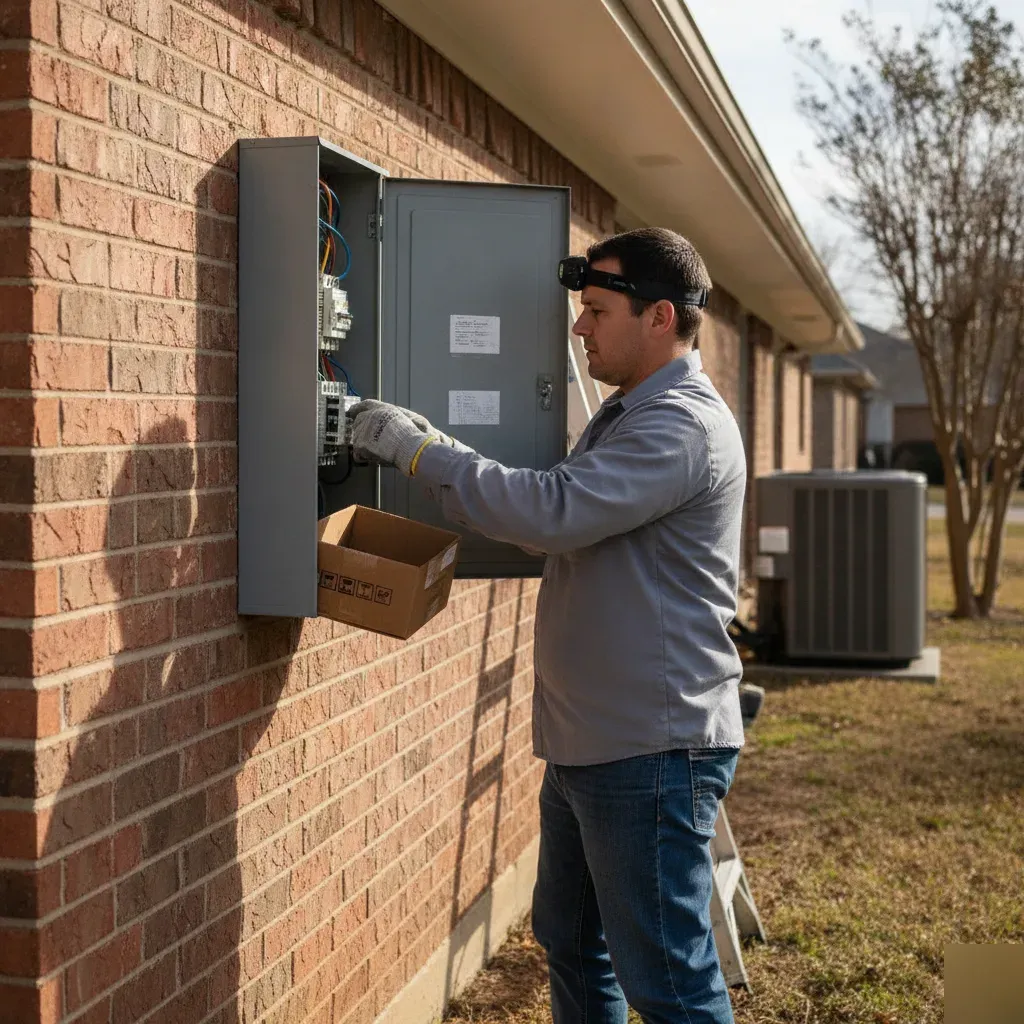
Need electrical panel replacement or upgrading?
Get a Free Estimate
Warning Signs Your Panel Needs Attention
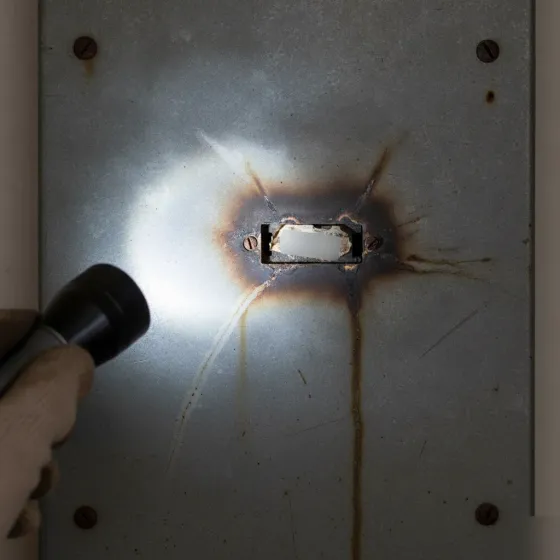
Quick Summary: Flickering lights, warm panel covers, a burning smell, or breakers that trip for no reason are all signs your panel is struggling. Older Denton homes with fuse boxes or panels rated under 100 amps often can't keep up with modern electrical loads. If you notice any of these signs, it's worth having your panel looked at before it becomes a bigger problem.
Your panel talks to you, most people just don't know how to listen. A breaker that trips once a month during storm season is normal. One that trips every time you run the microwave and the dryer together is not.
We get calls that start the same way almost every time. Lights flicker when the AC kicks on. The panel cover feels warm to the touch. There's a faint burning smell near the breaker box that nobody can quite place. Any one of these on its own might be nothing. But together, or repeated over weeks, they usually point to a panel that's overworked or failing.
- Breakers that trip repeatedly, even with normal use
- Warm or discolored breaker panel cover
- Flickering or dimming lights when appliances turn on
- A burning or hot plastic smell near the panel
- Buzzing or crackling sounds from inside the box
- Rust, corrosion, or visible wear on the panel or wiring
Older neighborhoods in Denton with homes built before the 1980s often still have 60 or 100 amp panels. Those were fine decades ago. They're not built for today's homes running central air, an electric range, and a couple of EVs charging in the driveway.
When someone finally calls us about a tripping breaker, the real issue is the panel itself, not the appliance they blamed.
So don't wait for a scare. If your panel is showing two or more of these signs, that's your cue to get it checked before it turns into a bigger repair, or worse.
When a Panel Upgrade Makes Sense
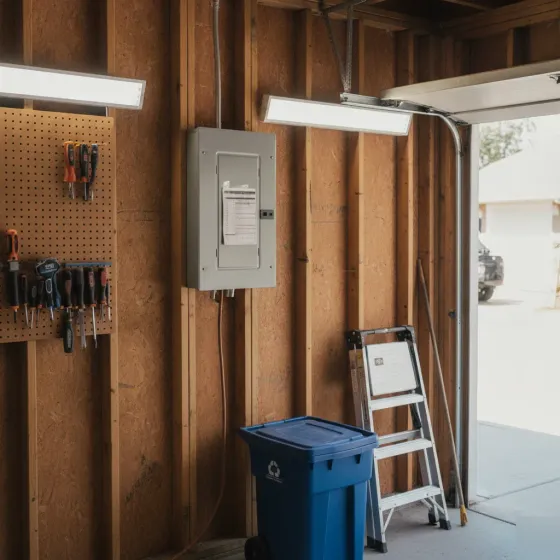
So how do you know it's time? Here's the honest answer. If your panel is doing its job quietly, leave it alone. But certain signs tell us the panel can't keep up anymore, and waiting just adds risk.
We get calls almost every week from folks whose breakers trip for no clear reason, or who notice the panel feels warm to the touch. That warmth is not normal, ever.
- Breakers trip repeatedly even with normal household use
- You're adding an electric car charger installation or a generator interlock installation and the panel has no room left
- Lights dim or flicker when the AC or a big appliance kicks on
- The panel still uses fuses instead of breakers
- You smell a faint burning odor near the panel or hear buzzing
Older homes around Denton, especially ones built before the 1980s near the courthouse square area, often still carry 60 or 100 amp panels. That was plenty of power decades ago. It's not enough now, with central air, multiple TVs, and home offices running off the same circuits.
One more thing worth saying plainly: a panel upgrade is not a default recommendation just because a panel is old.
Age alone doesn't mean failure, some 30 year old panels still run fine and just need a load check. What matters is behavior, not birthdate. If your panel trips clean, holds steady under load, and has room for future circuits, you likely don't need a full replacement yet, maybe just a panel repair or a few added breakers.
When You Might Not Need a Full Replacement
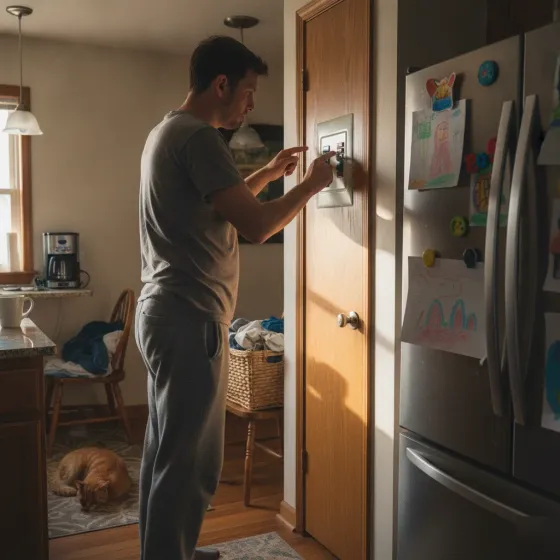
Not every panel problem means you need a whole new panel. We get calls where someone's already pricing out a full replacement and the fix is a lot smaller than that.
One tripped breaker that resets fine and holds? That's usually just a breaker doing its job. Same goes for a single warm outlet or a flickering light in one room, those often trace back to a loose connection or a bad switch, not a failing panel. A single dead circuit after a storm is common too, especially with how often we get hit with rolling outages here in Denton during summer storm season. That's troubleshooting work, not replacement work.
Older homes near downtown Denton sometimes still run 100-amp service. If that panel is in good shape, isn't rusted, and the breakers aren't tripping under normal use, it might just need a breaker swapped or a loose lug tightened.
Here's a quick gut check before you call anyone.
- Only one breaker trips, and only under one specific load like a space heater or window AC unit
- No visible scorch marks, rust, or melted plastic anywhere on the panel
- The panel isn't warm to the touch and there's no burning smell
- You haven't added a lot of new circuits or big appliances since it was installed
If all that checks out, you're probably looking at a repair, not a replacement. We'll tell you that straight if we come out and take a look - no reason to sell you more than you need.
Have questions? We're happy to help.
Get a Free Estimate. Higher Power Electric is ready to help.
What Happens During a Panel Upgrade
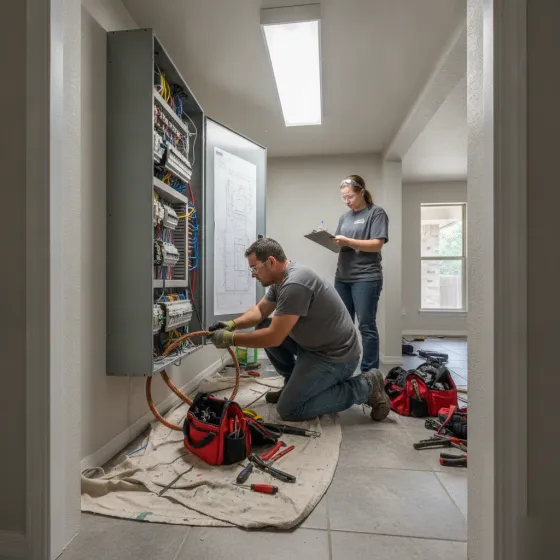
Most folks picture the job taking all day and leaving a mess behind. It doesn't have to. A panel swap is methodical work, not chaos. Here's how it usually goes.
- We shut off power to the home at the meter, then confirm everything is dead before touching a single wire.
- The old panel comes out. Every circuit gets labeled as it's disconnected so nothing gets crossed on the way back in.
- The new panel gets mounted and grounded properly. This is where corner-cutting shows up years later, so we don't rush it.
- Circuits go back in one at a time, matched and tested as we go.
- Power gets restored and we check every breaker, every outlet, every switch in the house.
- We walk you through the new panel, what's labeled where, and answer whatever questions you've got.
Power's off for a chunk of that, usually a few hours depending on the home's setup. Older Denton houses with fuse boxes or add-on wiring from past renovations can take longer to sort out safely. We tell you upfront if that's the case, not halfway through the job.
The surprises aren't in the panel itself. They're in wiring someone added twenty years ago without pulling a permit.
And that's exactly why we test as we reconnect instead of powering everything back up at once and hoping for the best.
Licensing, Pricing, and What to Ask Before You Hire
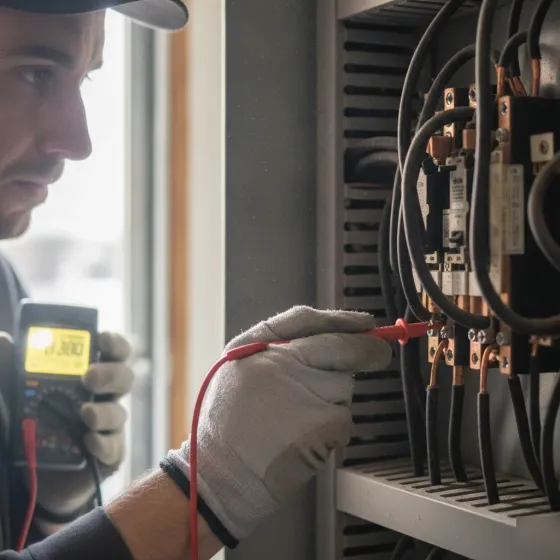
Panel work isn't a job for just anyone with a screwdriver. In Texas, this kind of work needs a licensed electrical contractor pulling the permit, and that permit means an inspector checks the job when it's done. That inspection protects you, plain and simple.
Pricing in this trade usually comes down to a few things: the size of the panel, how many circuits get moved over, whether the service line to the house needs upgrading too, and how much extra work it takes to meet current code. An older home with cloth wiring or a fuse box tends to cost more to convert than a newer home just swapping a tired panel for a bigger one. We're happy to walk you through what's driving the number on your specific job, free estimate included, verbal or written.
Before you hire anyone for panel work, ask these questions. You'll thank yourself later.
- Are you a licensed electrical contractor, and will you pull the permit?
- Will the job get inspected by the city or county when it's done?
- What size panel are you recommending, and why that size for my home?
- Will you need to upgrade my meter base or service line too?
- How long will my power be off, and what's the plan for that?
If a contractor hesitates on the permit question, that's your answer right there. Walk away.
A bigger panel is usually the start of something rather than the end of it. Most Denton homeowners upgrading a panel are doing it to make room for generator interlock installation or for the new circuits that come with electrical wiring installation. All of it is set out on our electrician services in Denton page.
Frequently Asked Questions
Common questions about electrical panel replacement and upgrading
How do I know if my electrical panel needs to be replaced?
You likely need a replacement if breakers trip repeatedly, the panel cover feels warm, or you smell burning near the box. Lights that flicker when the AC or a big appliance kicks on are another red flag. Older Denton homes with 60 or 100 amp panels often can't handle central air, an electric range, and modern devices all at once. If you notice two or more of these signs together, it's worth having your panel checked before a small issue turns into a costly repair.
Does an old panel always mean I need a full replacement?
No, age alone doesn't mean your panel has failed. Some panels are 30 years old and still run fine with just a load check. What matters more is behavior, not the birthdate on the panel. If your breakers trip clean, hold steady under normal use, and there's room left for future circuits, you probably just need a smaller repair instead of a full swap. We'll always tell you if a repair is enough.
What happens during a panel upgrade at my home?
We shut off power at the meter first, then remove the old panel and label every circuit as it comes out. The new panel gets mounted and grounded, and each circuit goes back in one at a time, tested as we go. Power is usually off for a few hours depending on your home's setup. Older Denton houses with fuse boxes or past renovation wiring can take longer to sort out safely, and we'll tell you that upfront.
Can I add an EV charger without upgrading my panel first?
It depends on how much room your current panel has left. If you're adding an EV charger or a generator interlock and your panel is already maxed out, you'll likely need an upgrade before that new circuit can go in safely. This comes up a lot in Denton as more homeowners add chargers and home offices to houses built decades ago with smaller panels. We can check your panel's capacity before you commit to any new equipment.
Why do breakers trip so often during Denton storm season?
Rolling outages and storm surges during Denton's summer storm season can cause a single breaker to trip, and that's usually normal troubleshooting, not a sign your panel is failing. One breaker resetting fine after a storm is different from breakers tripping every time you run the microwave and dryer together. If it's just one circuit acting up after a storm with no scorch marks or warmth on the panel, it's likely a small fix, not a replacement.
How do older homes near downtown Denton handle panel upgrades?
Homes built before the 1980s near the courthouse square area often still run 60 or 100 amp panels, which were fine decades ago but not for today's loads. These older homes sometimes have wiring added during past renovations without a permit, which can add time to the job. We check for that upfront so there are no surprises halfway through, and we'll walk you through what your home needs before any work starts.
Our Electrician Services in Denton
- Electrical Outlet & Switch RepairDead outlets, GFCI trips and buzzing switches — including ungrounded two-prong wiring downtown.
- Electrical Fixture InstallationCeiling fans, chandeliers and recessed lighting — and the rated box each one actually needs.
- Electrical InspectionsRoom-by-room checks of panel, outlets and attic wiring, plus permit and storm-damage inspections.
- Electrical Panel RepairLoose lugs, corroded breakers and buzzing panels — fixing the fault instead of replacing the box.
- Electrical Wiring InstallationNew permitted circuits for garages, workshops and additions, plus full rewires of older homes.
- Electrical Wiring RepairFlickering lights, warm outlets and aging cloth or knob-and-tube wiring in older Denton homes.
- Network CablingWired ethernet drops for homes and offices where Wi-Fi cannot reach through plaster or brick.
- Generator Interlock InstallationSafe, code-compliant backup power from a portable generator, matched to your panel brand.
See every service on our Electrician in Denton page.
Request a Free Estimate
Tell us what you need and we will call you back — usually the same day.
Ready to Get Started?
Get a Free Estimate. Call (972) 971-2131 today.