 Skip to Main Content
Generator Interlock Installation in Denton: Safe, Code-Compliant Backup Power
Trusted Denton electricians with over 50 years of experience
- Free estimates, verbal or written
- 50+ years of combined experience
- Serving all of Denton County
- 100% satisfaction guarantee
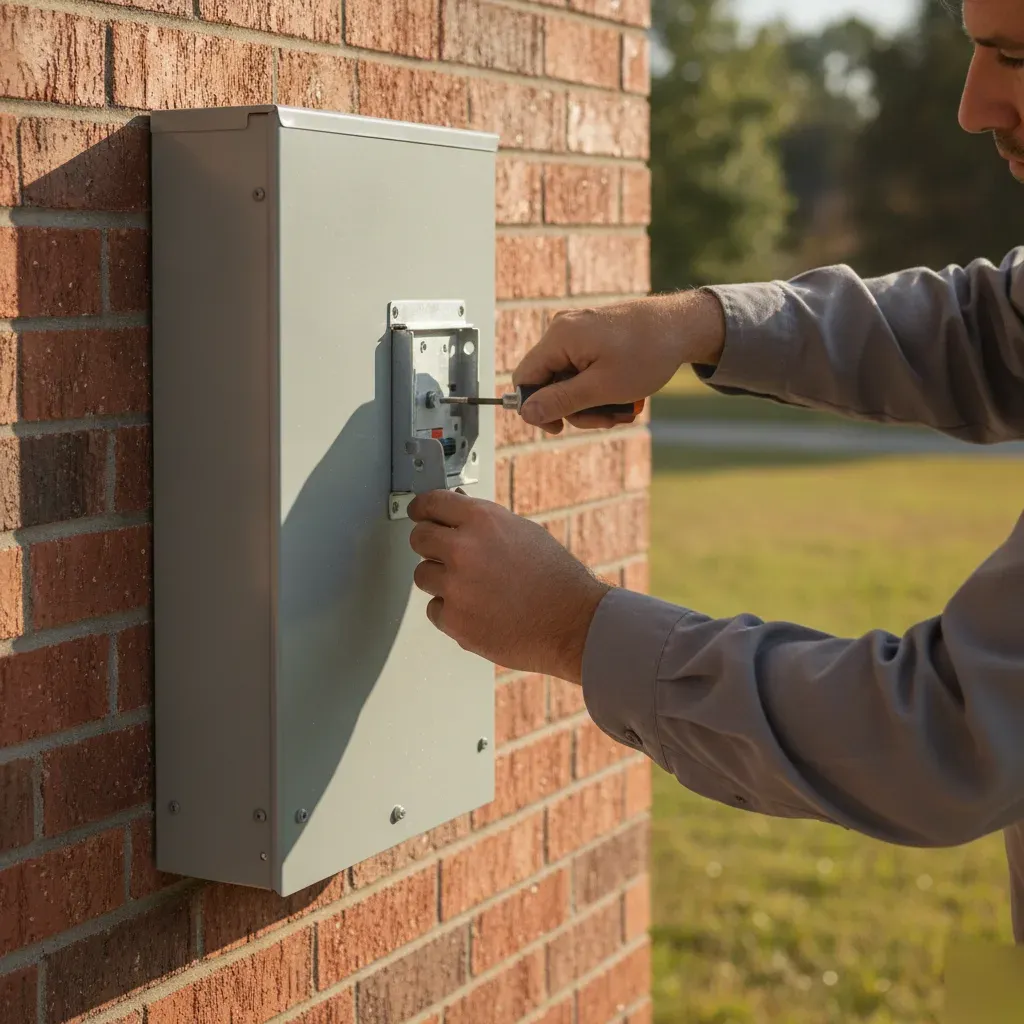
Need generator interlock installation?
Get a Free Estimate
Diagnosing Panel Compatibility Before Installation
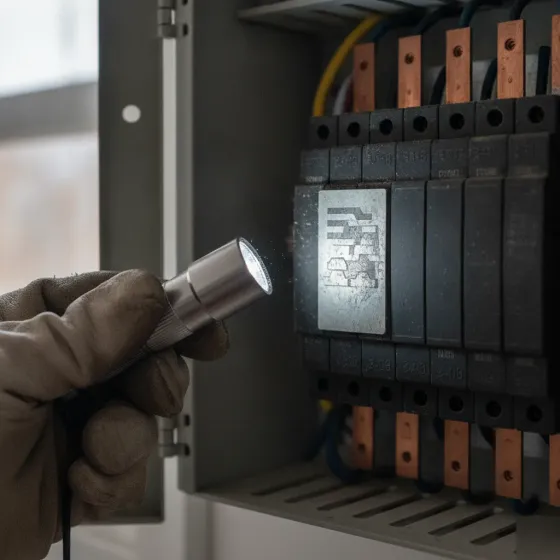
Quick Summary: Not every electrical panel can take an interlock kit, the brand, breaker position, and amperage all have to line up. We check your panel first, before we ever talk about installing anything, so you're not stuck with a kit that doesn't fit.
Here's the thing nobody tells you before you buy a generator. Interlock kits aren't universal. They're built for specific panel brands and specific breaker layouts. A kit made for one panel won't bolt onto another, period.
So the first thing we do is pop the cover and look. We check the panel brand, whether the main breaker sits on top or on the side, the amp rating, and how much room there is around the slide plate. Some panels have zero clearance. Others just weren't designed to accept a mechanical interlock at all, no matter what kit you buy.
- Panel brand and model, since kits are manufacturer-specific
- Main breaker location, top-fed or side-fed changes everything
- Amp rating of the panel and the main breaker
- Physical clearance for the slide plate to move freely
- Overall panel condition, rust or old wiring changes the plan
A lot of the older homes near downtown Denton still have panels from the 70s and 80s. Those sometimes need a breaker swap or a panel upgrade first, we handle that too. Not glamorous work, but it's the difference between a safe setup and one that just looks finished.
We've seen homeowners buy a kit online, then find out it doesn't fit their panel at all.
That's why we look before we quote anything.
Interlock Kit vs. Transfer Switch: Which Fits Your Home
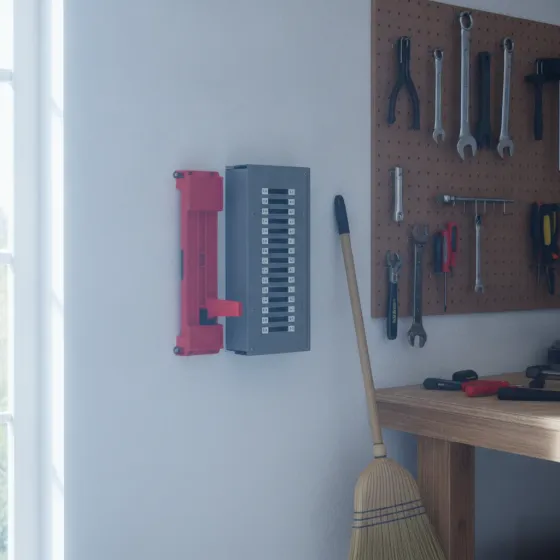
So which one do you need? Both let you run a portable generator into your home panel safely. Both keep you from backfeeding the grid, which is the dangerous part. But they work differently, and one usually makes more sense for your setup.
- Interlock kit: a metal bracket added to your panel that physically blocks the main breaker and generator breaker from being on at the same time
- Transfer switch: a separate box that lets you flip specific circuits over to generator power, one by one
- Interlock work is usually faster since it uses your existing panel and breakers
- Transfer switches let you power more circuits at once, but need more room and more wiring
- Interlock kits fit most standard panels, though some older or crowded panels need extra work to make room
Here's the thing. Most homeowners we talk to don't need to run their whole house, they need the fridge, some lights, the furnace blower, maybe a window unit. That's an interlock. It's the right call for a portable generator setup.
Bigger homes running a whole-house standby generator usually want a transfer switch instead.
If you're not sure which panel you have or whether there's room for an interlock, that's a five-minute question for us, not something you need to guess at from a parts store aisle.
When You Don't Need a Full Panel Interlock
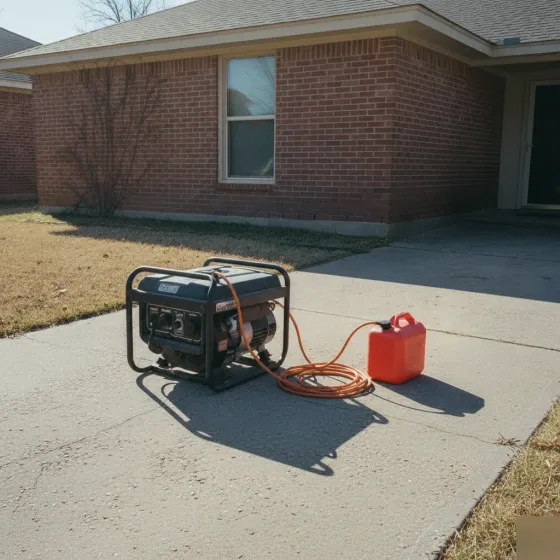
Not every generator setup needs an interlock. If you're just running a small portable unit to power a fridge and a few lamps during a short outage, a couple of heavy duty extension cords might be all you need. No panel work required.
We get calls from folks who bought a generator at the hardware store thinking they need us to install an interlock right away. Sometimes that's true. Sometimes it's not.
- You're only backing up one or two small appliances for a few hours at a time
- Your generator is small enough that extension cords handle the load safely
- You already have a transfer switch installed and working
- You're not planning to power hardwired equipment like a well pump or HVAC unit
Now, if your generator is bigger and you want to power circuits throughout the house, that's a different story. Extension cords through a window aren't safe for that kind of load, and running them during a Denton ice storm is asking for trouble.
There's also the case where a customer really needs a transfer switch instead of an interlock. Some panels just aren't built for an interlock kit.
So before you spend money on anything, take a look at your panel and your generator size. If you're not sure what you're looking at, that's normal, most people aren't. Give us a call and we'll tell you straight whether an interlock makes sense for your setup or if you need something else entirely.
Have questions? We're happy to help.
Get a Free Estimate. Higher Power Electric is ready to help.
What to Expect During Professional Installation
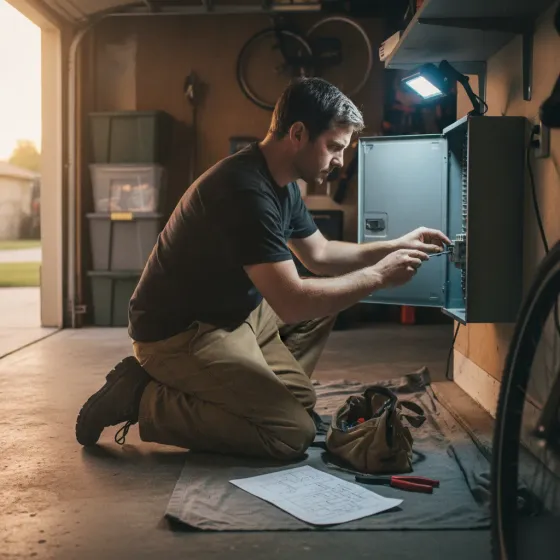
So you've called and scheduled. What happens next? Most Denton homeowners picture something messy or drawn out. It isn't. A generator interlock installation is one of the more straightforward jobs we do, and it usually wraps up in a single visit.
Here's the general flow our team follows on a typical job.
- We take a look at your panel, the make, the model, the age, to confirm an interlock kit fits it correctly.
- We shut off power to the panel completely before touching anything inside.
- We install the interlock hardware, which is a simple mechanical piece that stops the main breaker and the generator breaker from being on at the same time.
- We wire in a proper power inlet box outside your home so you can plug in the generator without running cords through a window.
- We test the whole setup, flipping breakers, checking the mechanical lock, making sure it moves the way it should.
- We walk you through how to use it, step by step, before we leave.
That's it. No drywall repair, no rewiring your whole house, no all-day event.
We've done this enough times to know where things get tricky, older panels with tight interiors, panels mounted in weird spots, panels that just weren't built with a generator in mind. Usually it's still a same-day fix. Once in a while a panel is too outdated or too crowded for a clean install, and that's a straight answer we'll give you before any work starts, not after.
Picture this: storm knocks out power on your street, and while your neighbor is running extension cords through a cracked window, you're flipping one lever and starting your generator safely from outside.
How Interlock Installation Pricing Typically Works
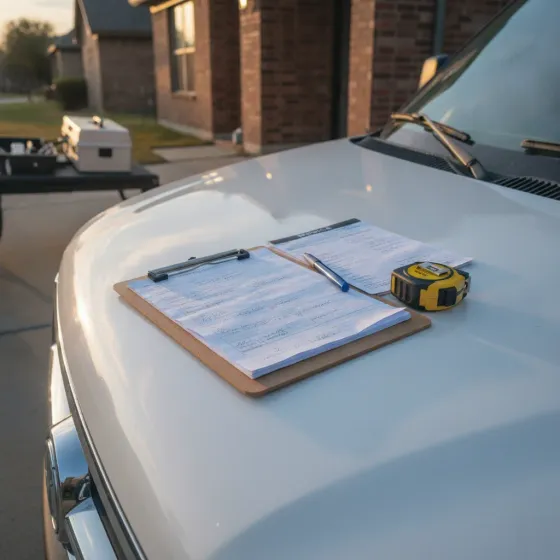
Most electrical contractors price interlock jobs a similar way. Labor plus parts, based on your panel type. A simple job on a standard panel with room to spare costs less. A panel that needs extra work, like clearing space or swapping a breaker, costs more. There's no flat number that fits every house.
So what moves the price up or down? Your panel brand matters, some interlock kits are made for specific brands and cost more to source. Your breaker size matters too. And the layout inside your panel box plays a role, tight panels take more time to work in safely.
- Panel brand and whether a matching interlock kit is readily available
- Main breaker amperage, higher amp panels sometimes need different hardware
- How much room is inside the panel box for the interlock plate
- Whether a permit and inspection are needed for your Denton property
- If any panel repair or upgrading is needed first to make the interlock safe to install
Here's the thing nobody tells you. An interlock kit installed wrong is not a good deal. It's a liability sitting in your panel box.
Before you hire anyone, ask what's included. Does the quote cover the permit? Does it include testing the interlock with your actual generator, not just a visual check? Ask if they're pricing based on your specific panel or just guessing off a phone call. A contractor who wants to see photos of your panel before quoting is usually the one who does this right.
We're happy to give you a free estimate, verbal or written, once we know what panel you're working with.
An interlock is only as good as the panel it bolts to, so this job frequently begins with electrical panel repair or, where there is no room left, electrical panel replacement and upgrading. Our electrician services in Denton page explains how the three fit together.
Frequently Asked Questions
Common questions about generator interlock installation
Can any electrical panel get a generator interlock kit?
No, not every panel can take an interlock kit. The brand, breaker position, and amp rating all have to line up before a kit will fit. That's why we check your panel first, before quoting any work. Some panels have zero clearance for the slide plate to move, and a few older setups weren't designed to accept a mechanical interlock at all. If your panel can't take one, we'll tell you and talk through other options.
Do I need an interlock kit or a transfer switch?
Most homeowners running a portable generator only need an interlock kit, not a transfer switch. An interlock uses your existing panel and breakers, so it's usually a faster install. A transfer switch makes more sense if you're running a whole-house standby generator and want to power more circuits at once. If you're only trying to keep the fridge, furnace blower, and a few lights going during an outage, an interlock is typically the right call.
What happens during a generator interlock installation?
Most installations wrap up in a single visit. We check your panel, shut off power completely, install the interlock hardware, and wire in a power inlet box outside your home. Then we test the setup by flipping breakers and checking the mechanical lock before showing you how to use it. There's no drywall repair or rewiring involved. Older panels with tight interiors sometimes take extra time, but it's still typically a same-day job.
Do older Denton homes need extra work before installing an interlock?
Yes, a lot of older homes near downtown Denton still have panels from the 70s and 80s that need a breaker swap or panel upgrade first. That extra step protects you from a setup that looks finished but isn't safe. We check panel condition, including rust or outdated wiring, before we ever talk about installing a kit. It's an extra step, but it's the difference between a safe backup power setup and one that just looks done.
Is it safe to run a generator with just extension cords instead of an interlock?
It depends on your generator and how many things you're powering. If you're only backing up a fridge or a few lamps for a few hours, heavy duty extension cords can handle that load safely without any panel work. But if your generator is bigger and you want to power hardwired equipment like a well pump or HVAC unit, cords through a window aren't safe, especially during a Denton ice storm. At that point, an interlock or transfer switch is the safer route.
How do I know if my panel is a good fit for an interlock before I buy a generator?
The only way to know for sure is to have your panel checked before you buy or install anything. We've talked to homeowners who bought a kit online only to find out it didn't fit their panel brand or breaker layout at all. A quick look at your panel brand, breaker position, and amp rating tells us what will work. That five-minute check saves you from spending money on a kit that never bolts on.
Our Electrician Services in Denton
- Electrical Outlet & Switch RepairDead outlets, GFCI trips and buzzing switches — including ungrounded two-prong wiring downtown.
- Electrical Fixture InstallationCeiling fans, chandeliers and recessed lighting — and the rated box each one actually needs.
- Electrical InspectionsRoom-by-room checks of panel, outlets and attic wiring, plus permit and storm-damage inspections.
- Electrical Panel RepairLoose lugs, corroded breakers and buzzing panels — fixing the fault instead of replacing the box.
- Electrical Panel Replacement or UpgradingWhen an older 60 or 100 amp panel can no longer carry the load, and what a full upgrade involves.
- Electrical Wiring InstallationNew permitted circuits for garages, workshops and additions, plus full rewires of older homes.
- Electrical Wiring RepairFlickering lights, warm outlets and aging cloth or knob-and-tube wiring in older Denton homes.
- Network CablingWired ethernet drops for homes and offices where Wi-Fi cannot reach through plaster or brick.
See every service on our Electrician in Denton page.
Request a Free Estimate
Tell us what you need and we will call you back — usually the same day.
Ready to Get Started?
Get a Free Estimate. Call (972) 971-2131 today.