 Skip to Main Content
Electrical Wiring Repair in Denton: Find the Real Problem, Not Just the Symptom
Trusted Denton electricians with over 50 years of experience
- Free estimates, verbal or written
- 50+ years of combined experience
- Serving all of Denton County
- 100% satisfaction guarantee
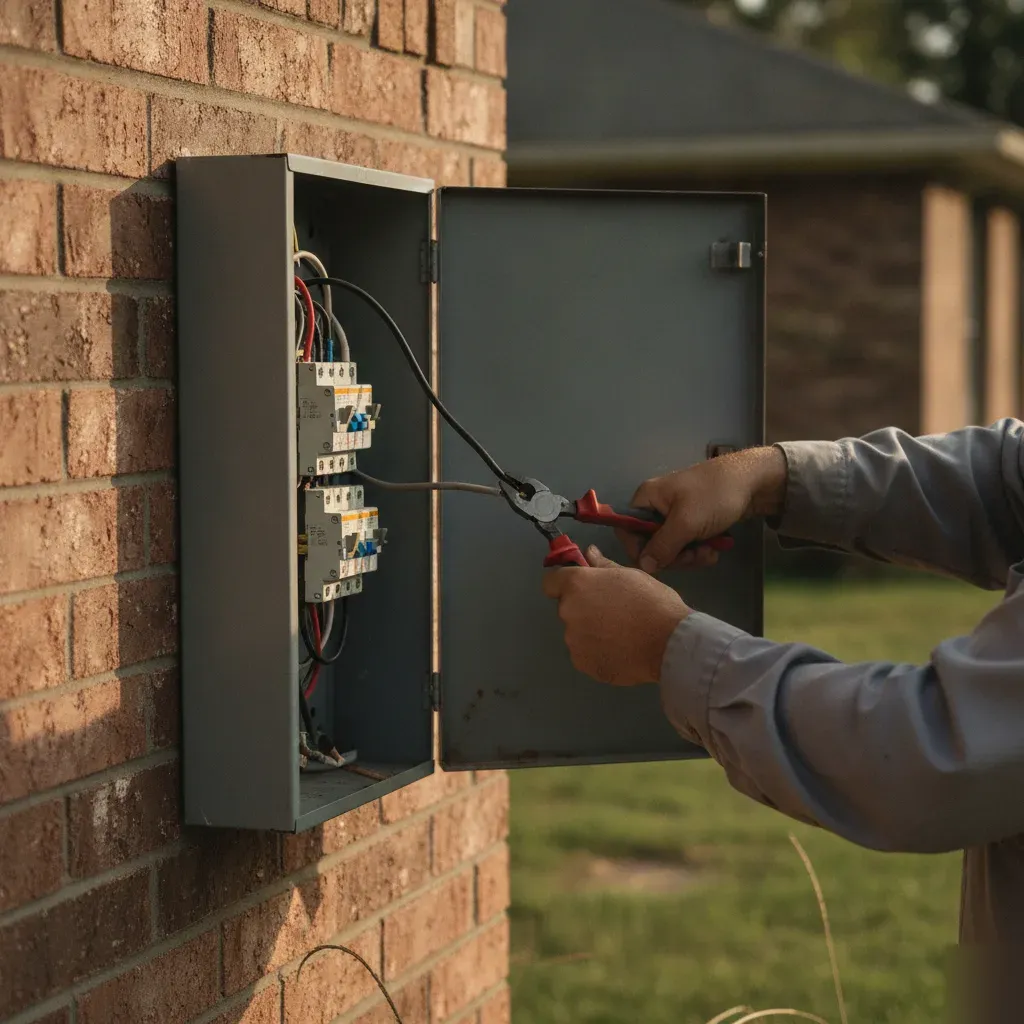
Need electrical wiring repair?
Get a Free Estimate
Signs Your Wiring Needs Professional Repair
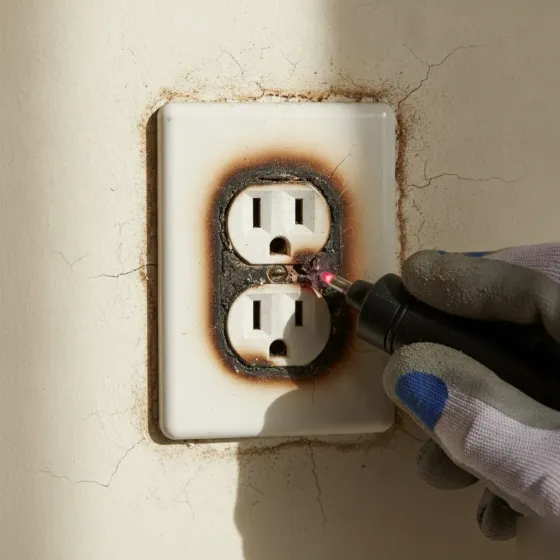
Quick Summary: Flickering lights, warm outlets, and a burning smell near a switch are signs your wiring needs attention now, not later. Older Denton homes near downtown often still have wiring that's overdue for a look. Catching these signs early usually means a smaller repair instead of a bigger, more expensive one.
So how do you know it's time to call instead of just flipping the breaker and moving on? Your house is pretty good at telling you something's wrong. You just have to notice.
We get calls all the time from folks who say the same thing. Lights flicker when the AC kicks on. An outlet feels warm to the touch. There's a faint burning smell near a switch plate, and nobody can figure out why. That's not a coincidence, it's loose or damaged wiring working itself into a real problem.
- Lights that flicker or dim when other appliances turn on
- Outlets or switch plates that feel warm or look discolored
- A burning or plastic smell with no clear source
- Buzzing or crackling sounds coming from an outlet or panel
- Breakers that trip often for no obvious reason
Homes near downtown Denton and around the older streets by the square often still have wiring from decades back, sometimes updated in pieces over the years. That patchwork approach is exactly where these warning signs tend to show up first.
Don't wait on a burning smell. That one's not a maybe.
Older Homes Near Denton's Downtown Square Face Unique Wiring Risks
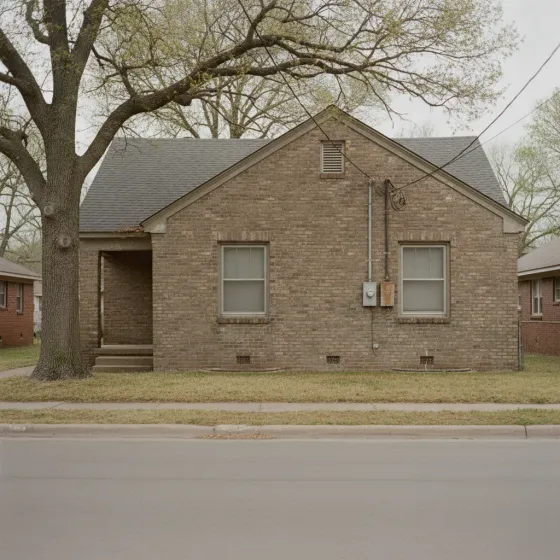
Denton's got a lot of character in the homes around the downtown square, and that's part of the charm. But charm doesn't pay attention to code. A house built in the 1940s or 50s wasn't wired for phone chargers, window units, and a dozen kitchen gadgets running at once. We see it constantly on service calls in that older part of town.
Some of these homes still have cloth-insulated wiring or knob-and-tube systems tucked behind the walls. It worked fine decades ago. It's not built for today's load, though.
- Cloth or rubber insulation that's cracked, brittle, or crumbling to the touch
- Aluminum branch wiring, common in homes built in the 60s and 70s, which loosens at connections over time
- Two-prong outlets with no ground wire, a sign the whole circuit predates modern code
- Fuse boxes instead of breaker panels, which trip or blow with no clear warning
None of that means panic. It does mean a proper inspection matters more here than in a newer subdivision. A flickering light in a downtown square bungalow can mean something a lot different than the same flicker in a house built five years ago. Old insulation breaks down slow, then all at once, usually right when you've got company over or a pot roast in the oven.
As a licensed electrical contractor working across Denton County, we've opened up plenty of these old walls. there's more going on behind the plate than the homeowner expected.
What Happens During a Wiring Repair Visit
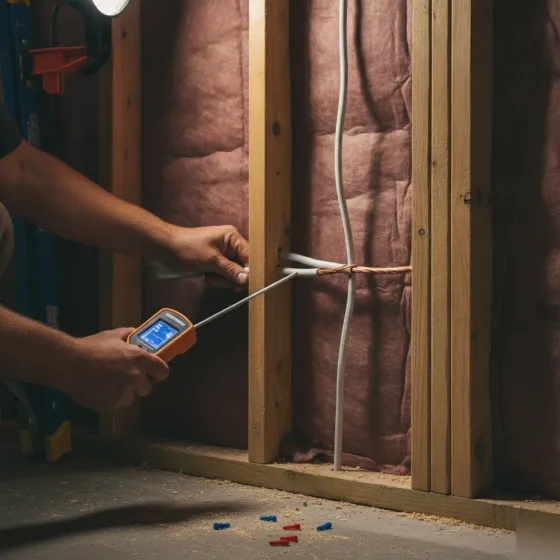
So you call, you explain the problem, and now what? Here's the honest answer: most electrical wiring repair visits follow a pretty predictable path. We're not guessing when we walk in. We're checking specific things in a specific order, because that's how you find the real problem instead of just patching a symptom.
- We talk with you first. What's the outlet doing, when did it start, has anything changed recently like a new appliance or a storm.
- We check the breaker panel before anything else. The panel tells us something the outlet never could.
- We test the circuit with a meter, not a guess. Voltage drops, loose neutrals, and hot spots all show up here.
- We trace the wiring path. In older Denton homes near the University of North Texas area, that often means original wiring from the 1950s and 60s that's never been touched.
- We open the wall or box only where needed. We don't tear out more than we have to.
- We fix the actual cause, whether that's a bad connection, damaged insulation, or an overloaded circuit.
- We test it again before we leave, and we walk you through what we found.
Real scenario for you: a customer hears a faint buzzing behind the living room outlet every time the AC kicks on. That's almost always a loose connection heating up under load, not the outlet itself. We've seen that exact call more times than we can count.
A visit like this usually takes less time than folks expect. And that's the point, really - a repair done right the first time saves you from calling us back for the same issue next month.
Have questions? We're happy to help.
Get a Free Estimate. Higher Power Electric is ready to help.
When Wiring Repair Isn't the Right Call
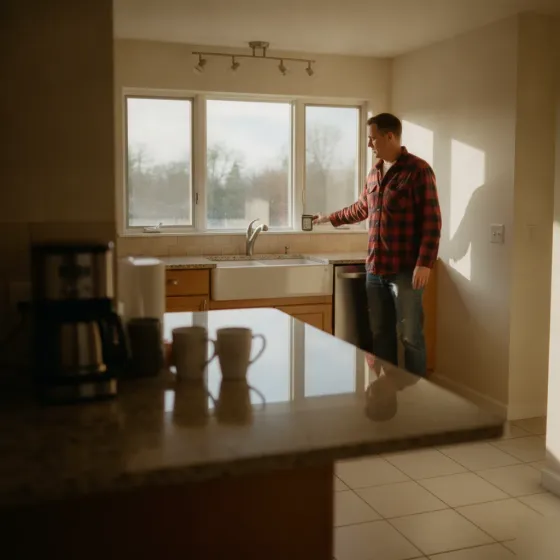
Not every electrical problem needs a repair call. Some need a lot more, and some need nothing at all.
If your Denton home still has aluminum wiring or old knob and tube behind the walls, patching one bad connection won't fix the real issue. That's a wiring installation project, not a repair. We see this a lot in the older homes near downtown Denton, built decades before today's wiring standards existed. Splicing new copper into old aluminum runs is a short term fix that can make things worse.
Same goes for breakers that trip over and over no matter what you plug in. That's not the wiring at all - it's the panel itself getting old and tired. That calls for panel repair or a full panel replacement, and no amount of rewiring one circuit will change that.
- A single GFCI outlet that tripped and won't reset - try the reset button first, that's often all it needs
- A whole house going dark during a storm - that's usually a utility outage, not your wiring
- One dead outlet you just noticed and nothing else seems off - check other outlets on the same circuit before assuming the worst
- A light switch that just needs a new cover plate - that's a five minute hardware store fix
So how do you tell the difference? Flickering lights across the whole house, warm outlet covers, or a breaker that trips the moment you reset it. Those point to something bigger than a repair.
If you're not sure which category you're in, that's pretty common. A short inspection usually answers the question fast, before anyone starts pulling wire.
How Wiring Repair Costs Are Structured
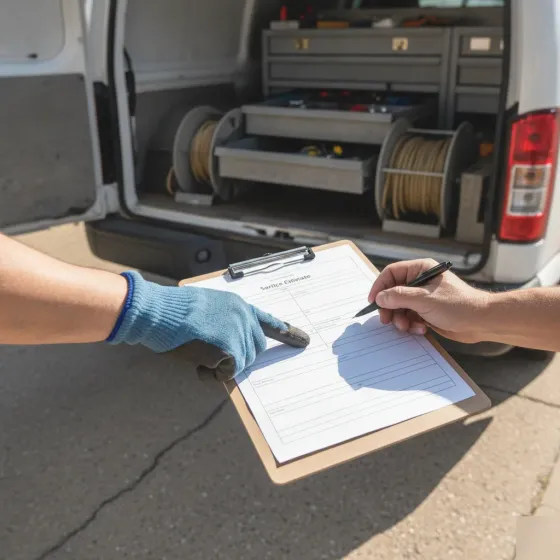
Wiring repair pricing isn't one flat number, and it shouldn't be. Most electricians structure costs around three things: diagnostic time, the actual repair work, and materials. A flickering light switch might take twenty minutes to trace and fix. A dead circuit feeding half your kitchen? That could mean pulling wire through walls, which takes longer and needs more parts.
Here's the thing, the real cost driver isn't the wire itself. It's almost always labor time, especially the diagnostic part. We've walked into homes where the customer swore it was one outlet, and it turned out to be a loose connection three rooms away. Tracking down the actual problem takes longer than fixing it once we find it.
- Access difficulty, like wiring buried behind finished walls or in a crawlspace
- The age and type of wiring already in the home
- Whether the panel or breakers need attention too
- How many fixtures, outlets, or switches are tied to the same problem
- Permit requirements for certain repair or replacement work
Before you hire anyone, ask how they figure their pricing. Do they charge for the diagnostic separately? Is there a flat rate for common repairs, or is everything billed by the hour? A good electrician will walk you through this before touching a single wire, not after. We offer free estimates, verbal or written, on just about any job, so you know what you're dealing with before we start. That's not us bragging, that's just how it should work every time.
Wiring rarely fails on its own. When we trace a fault back, it usually ends at either electrical panel repair or a device that needs electrical outlet and switch repair. Our electrician services in Denton page covers the full range, and this same repair work is listed under our electrical repair shop services too.
Frequently Asked Questions
Common questions about electrical wiring repair
How fast can you get to my house in Denton for a wiring problem?
We schedule most electrical wiring repair calls within a day or two of you calling, sooner if you mention warm outlets or a burning smell. Those signs move you to the top of the list because they can turn into bigger problems fast. We work across Denton County, including the downtown square area and neighborhoods near the University of North Texas. Tell us exactly what you're seeing on the phone. It helps us bring the right tools the first time.
What happens when your electrician shows up at my house?
We start by asking what the outlet or switch has been doing and when it started. Then we check your breaker panel before touching anything else, since it tells us things the outlet never could. We test the circuit with a meter, trace the wiring path, and only open the wall where we truly need to. You'll get a walkthrough of what we found before we leave, not just a fixed outlet and a wave goodbye.
My house near downtown Denton has old wiring. Is that dangerous?
Older wiring isn't automatically dangerous, but it needs a closer look than newer homes. Homes near the downtown square often still have cloth-insulated wiring or knob-and-tube tucked behind the walls from decades ago. That wiring wasn't built for today's load of chargers, window units, and kitchen gadgets. Cracked insulation, two-prong outlets, or a fuse box instead of breakers are signs it's time for a proper inspection, not a panic call.
Why do my lights flicker when the AC kicks on?
Flickering lights when a big appliance starts up usually points to a loose connection or an overloaded circuit, not a bad light fixture. We see this constantly in Denton homes, especially older ones near UNT with original wiring from the 1950s and 60s. A loose neutral or worn connection heats up under sudden load and causes the dip. It's one of the clearest signs your wiring needs a look before it turns into a bigger issue.
Do I need a repair or a full rewiring job?
It depends on what's causing the problem, not just where it shows up. A single warm outlet or one buzzing switch is usually a repair. But if your Denton home has aluminum wiring or knob-and-tube throughout, patching one bad spot won't fix the real issue behind the walls. Breakers that keep tripping no matter what you plug in often mean the panel itself is worn out, which calls for panel work instead of a wiring repair.
Should I try fixing a tripped outlet myself before calling?
Yes, try the reset button on a GFCI outlet first, since that solves the problem most of the time. Same goes for a single dead outlet: check nearby outlets on the same circuit before assuming it's serious. But if you're dealing with warm covers, buzzing sounds, or breakers that trip the instant you reset them, stop there and call. Those signs point to something bigger than a quick fix.
Our Electrician Services in Denton
- Electrical Outlet & Switch RepairDead outlets, GFCI trips and buzzing switches — including ungrounded two-prong wiring downtown.
- Electrical Fixture InstallationCeiling fans, chandeliers and recessed lighting — and the rated box each one actually needs.
- Electrical InspectionsRoom-by-room checks of panel, outlets and attic wiring, plus permit and storm-damage inspections.
- Electrical Panel RepairLoose lugs, corroded breakers and buzzing panels — fixing the fault instead of replacing the box.
- Electrical Panel Replacement or UpgradingWhen an older 60 or 100 amp panel can no longer carry the load, and what a full upgrade involves.
- Electrical Wiring InstallationNew permitted circuits for garages, workshops and additions, plus full rewires of older homes.
- Network CablingWired ethernet drops for homes and offices where Wi-Fi cannot reach through plaster or brick.
- Generator Interlock InstallationSafe, code-compliant backup power from a portable generator, matched to your panel brand.
- Electrical TroubleshootingFlickering lights, dead outlets and breakers that trip for no clear reason, traced to the actual fault.
- Circuit Breaker RepairBreakers that trip over and over or will not reset — and whether it is the breaker, the load or the wiring.
- Electrical Power RestorationHalf the house dark while the neighbours have lights: partial power loss traced from the panel outward.
See every service on our Electrician in Denton and Electrical Repair Shop in Denton pages.
Request a Free Estimate
Tell us what you need and we will call you back — usually the same day.
Ready to Get Started?
Get a Free Estimate. Call (972) 971-2131 today.