 Skip to Main Content
Electrical Outlet & Switch Repair in Denton: Get Dead Outlets and Faulty Switches Fixed Right
Trusted Denton electricians with over 50 years of experience
- Free estimates, verbal or written
- 50+ years of combined experience
- Serving all of Denton County
- 100% satisfaction guarantee
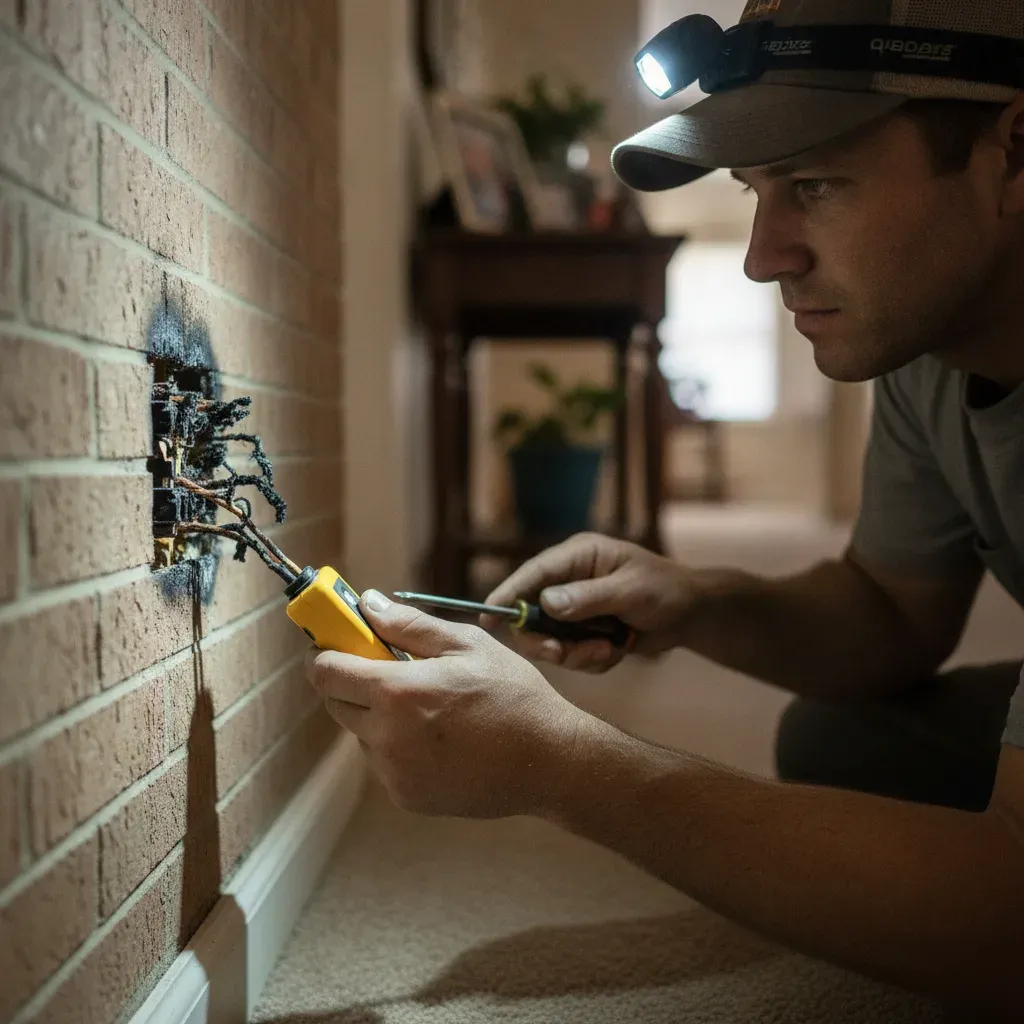
Need electrical outlet and switch repair?
Get a Free Estimate
Signs Your Outlet or Switch Needs Professional Repair
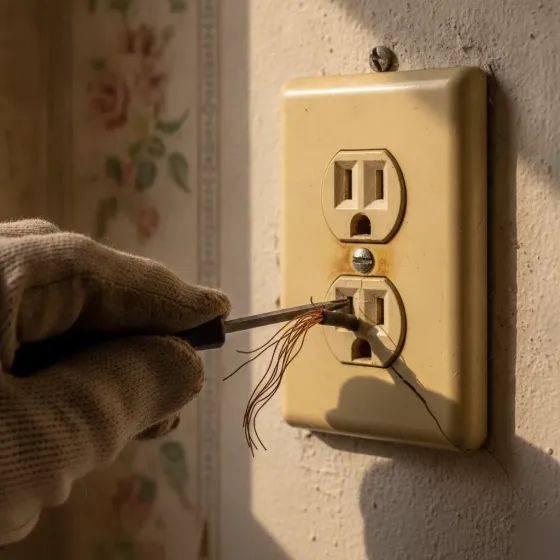
Quick Summary: A warm outlet, a burning smell, or a switch that buzzes when you flip it are signs you need electrical outlet & switch repair, not a wait and see approach. Older Denton homes near downtown often still have two-prong outlets from the 1950s and 60s that were never grounded, and that adds real risk. If you notice any of these signs, it's time to call someone who does this work every day.
So how do you know it's time to call instead of just flipping the breaker back on? Usually it's one of a few things we see over and over.
- The outlet cover feels warm or hot to the touch
- You smell a faint burning or plastic odor near a switch
- Lights flicker or dim when you plug something in
- A switch buzzes, crackles, or sparks when flipped
- An outlet stopped working and the breaker keeps tripping
Discoloration around the outlet plate is another one we catch a lot. That yellow or brown staining usually means heat has been building up behind the wall for a while.
We've been called out to homes near the University area where a two-prong outlet finally gave out after decades of use, no ground wire, worn insulation, the works. That's not a project for a screwdriver and a Saturday afternoon. Loose wiring behind a switch can arc without you ever seeing a spark, and that's how house fires start. If any of these signs sound familiar, don't wait on it.
When a Simple Reset Solves the Problem
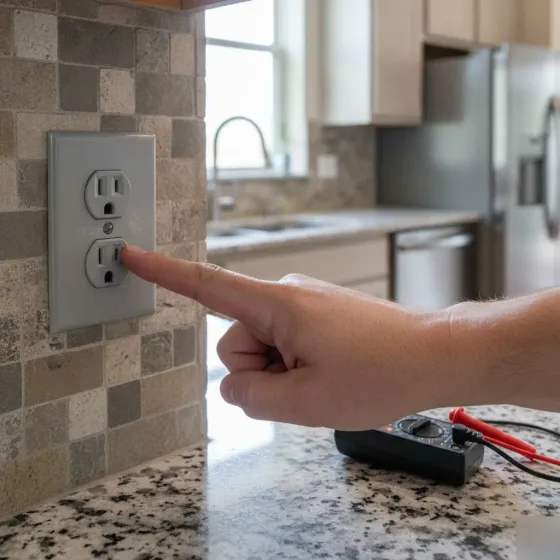
Not every dead outlet in a Denton home means faulty wiring. Before you assume the worst, or before you schedule a repair visit, it's worth ruling out the handful of everyday causes that mimic a real electrical problem but take thirty seconds to fix. Older Denton neighborhoods around Oak-Hickory or Fry Street often still run on GFCI-protected circuits in kitchens, bathrooms, and garages, and these devices are designed to trip at the first sign of a ground fault, even a minor one like a hair dryer getting slightly damp or a garage freezer surging on startup.
- Check whether the outlet is controlled by a wall switch that got bumped off, common in older Denton homes with switch-controlled receptacles in living rooms and bedrooms
- Look at your electrical panel for a breaker that has visibly flipped to the off or middle position, then reset it firmly to the on side
- Press the reset button on any GFCI outlet in the same circuit, since one tripped GFCI can kill power to several outlets downstream
- Test the outlet again after each reset and note whether it holds power without tripping a second time
- Rule out cosmetic issues like a cracked or loose faceplate that looks alarming but has no effect on actual function
The real test is whether the reset holds. If flipping the breaker back on or pressing the GFCI test-reset button restores power and it stays on through normal use, cooking, running the AC, plugging in a hair dryer, you likely just experienced a routine trip, not a wiring fault. This is especially common in Denton during summer months when window units and portable fans push older circuits closer to their limits.
However, a reset is only safe to rely on once. If the same breaker or GFCI trips again within minutes or hours, or if you notice a burning smell, warm faceplate, scorch marks, or a crackling sound when you reset it, stop immediately. Those signs point to arcing, overloaded wiring, or a failing device inside the wall, none of which a second reset will solve. At that point, continuing to reset the circuit only masks a problem that could damage wiring insulation or create a fire risk behind the wall.
How Outlet and Switch Repair Pricing Works
Denton electricians typically price outlet and switch repairs one of three ways. Some charge a flat per-unit rate, meaning a single fixed price per outlet or switch regardless of minor variations in the job. Others bill hourly and add a trip or diagnostic fee to cover travel and the time spent identifying the problem before any repair begins. For homes with multiple issues, many contractors offer a bundled multi-outlet estimate that combines several repairs into one visit at a reduced per-unit cost. Knowing which model a company uses helps you compare quotes accurately instead of comparing apples to oranges.
Several factors reliably push repair costs higher. Homes in older Denton neighborhoods, especially those built in the 1960s and 1970s, sometimes still have aluminum wiring or ungrounded two-prong outlets, both of which require extra labor and specialized connectors to repair safely. Code compliance also plays a role: NFPA 70 NEC 210.8 requires GFCI or AFCI protection in kitchens, bathrooms, garages, and other specific locations, so upgrading a standard outlet to meet current code adds material and labor time. After-hours or emergency calls carry premium rates, and outlets located behind cabinetry, in crawl spaces, or in finished walls that require cutting and patching also increase the final bill due to the added access time.
- Like-for-like swaps, such as replacing a worn outlet with an identical model, keep costs lower because no rewiring or code upgrade is needed
- Bundling several repairs into one appointment reduces the per-unit price compared to scheduling separate visits
- Standard business-hour appointments avoid the premium rates charged for evening, weekend, or emergency service
- Providing clear access to the work area ahead of time can shorten labor time and lower the total invoice
Because so many variables affect the final number, a written estimate matters more than a verbal ballpark. Reputable Denton electricians will inspect the outlet or switch, check the wiring type, confirm whether GFCI or AFCI protection is required, and note any access challenges before quoting a firm price. A free estimate removes the guesswork, letting you decide whether to proceed, bundle additional repairs, or schedule the work during standard hours to keep costs down.
Have questions? We're happy to help.
Get a Free Estimate. Higher Power Electric is ready to help.
What to Expect During an Outlet or Switch Repair Visit in Denton
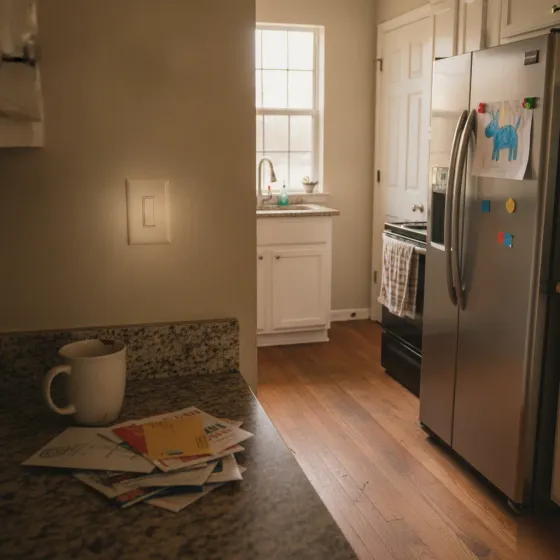
So what happens when we show up? Nothing fancy, just a process that catches the real problem instead of guessing at it. We've fixed enough outlets and switches around Denton to know that skipping steps costs you twice.
- We ask what you noticed. Sparking, no power, a burning smell, a switch that feels loose. Small details point us in the right direction fast.
- We cut power to the circuit at the panel before touching anything.
- We pull the outlet or switch and check the wiring behind it. Loose connections and old wire nuts show up here more than people expect.
- We test the circuit with a meter, not a guess. Voltage drop, bad grounds, and backstabbed wires all tell a different story.
- We repair or replace the device, tighten every connection, and test it under load before we call it done.
- We check nearby outlets on the same circuit. One bad connection often feeds trouble down the line.
Older homes near downtown Denton still have plenty of two-prong outlets from before grounded wiring was standard, and that changes what a proper repair looks like. Swapping in a three-prong outlet without addressing the ground isn't a real fix, it just hides the problem.
Most visits take less time than folks expect.
We offer free estimates, verbal or written, so you know what you're dealing with before any work starts. And if we find something bigger while we're in there, like a breaker that's not protecting the circuit right, we'll tell you straight instead of quietly moving past it.
Older Homes Near the University Corridor vs. Newer Builds
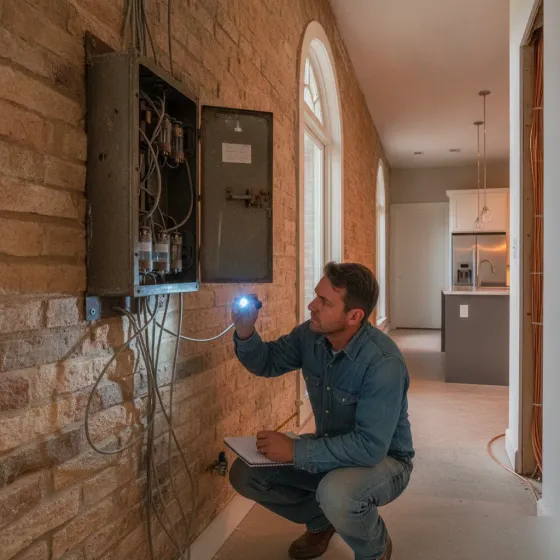
Denton's housing stock tells two very different electrical stories depending on where you live. Walk through the neighborhoods surrounding the University of North Texas and Texas Woman's University, or the historic blocks near the downtown Square, and you'll find bungalows and cottages built decades before modern electrical code existed. Head instead to the outer edges of town, into subdivisions like Robson Ranch, Savannah, Unicorn Lake, or Rayzor Ranch's newer phases, and the wiring picture flips entirely. Recognizing which category a home falls into before ever pulling a cover plate is one of the biggest time-savers in this trade.
Homes near the university corridor were often built with two-prong ungrounded outlets, a wiring style that was standard decades ago but is now a mismatch for laptops, phone chargers, and surge-protected power strips that expect a grounded third prong. Switches in these homes have frequently seen forty or fifty years of daily use, and the toggle mechanisms inside wear out, leading to buzzing, flickering, or switches that need to be jiggled to work. Cloth-insulated wiring, deteriorated wire nuts, and outlets that have loosened in the wall box are also common finds in this part of town.
Newer builds in Denton's outer subdivisions rarely have wear-related failures since the materials are still relatively young. Instead, the repair calls in these areas tend to center on code compliance gaps that were missed during construction or added onto later, such as bathrooms, kitchens, garages, or outdoor spaces that still lack proper GFCI protection, or bedroom circuits that need AFCI breakers per current code. These are less about failure and more about bringing a home up to the protection standard expected today, especially for homeowners preparing to sell or refinance.
- Older UNT/TWU-area and downtown homes: two-prong outlets, worn toggle switches, degraded wire connections
- Newer outer subdivisions: missing GFCI in wet areas, missing AFCI on bedroom circuits, inspection-driven updates
- Knowing the pattern in advance narrows down likely causes before the panel is even opened
- Both scenarios benefit from a licensed evaluation rather than a guess-and-replace approach
This experience with Denton's east-west divide in home age means less time spent diagnosing and more time spent fixing, whether that's grounding an outlet safely in a century-old home or bringing a five-year-old subdivision house fully current with code.
If the fault turns out to sit deeper than the device itself, electrical wiring repair in Denton covers what is happening behind the wall, and electrical panel repair covers the box every circuit runs back to. Both sit alongside this service on our electrician services in Denton page.
Frequently Asked Questions
Common questions about electrical outlet and switch repair
How quickly can someone come look at a dead outlet or switch in Denton?
Most electrical outlet and switch issues in Denton can be scheduled within a day or two of your call. If you're dealing with warning signs like a warm faceplate, a burning smell, or a switch that sparks, tell us right away so we can prioritize the visit. Routine dead outlets or repeated GFCI trips can usually wait for a standard appointment. Either way, getting it looked at sooner keeps a small issue from turning into a bigger repair behind the wall.
What should I expect when an electrician comes to fix my outlet or switch?
Expect the electrician to test the outlet or switch, check the wiring type, and trace the circuit back to your panel before touching anything. In older Denton homes, this often means checking for two-prong wiring or aluminum wiring behind the wall, since both need different repair methods. They'll confirm whether the location requires GFCI or AFCI protection under current code. You'll get a clear explanation of what's wrong and a firm quote before any repair work starts.
Why do outlets in my older Denton home keep losing power?
This is usually a tripped GFCI outlet, not a dead circuit. Older Denton neighborhoods around Oak-Hickory and Fry Street often run kitchens, bathrooms, and garages on GFCI-protected circuits, and one tripped device can cut power to several outlets downstream. Try pressing the reset button on nearby GFCI outlets first. If power comes back and stays on, you likely had a routine trip. If it trips again quickly or you notice a burning smell, that points to a wiring problem needing repair.
Is it safe to keep resetting a breaker that trips on the same outlet?
It's safe to reset a tripped breaker once, but not repeatedly. If the breaker or GFCI trips again within minutes or hours, or you notice scorch marks, a warm faceplate, or a crackling sound, stop resetting it. Those signs point to arcing or a failing device inside the wall, and continuing to flip the breaker only hides a problem that could damage wiring insulation. At that point, it's time to call an electrician instead of testing it again.
Do old two-prong outlets in Denton homes need to be replaced?
Not always, but many should be inspected. Homes near downtown Denton built in the 1950s and 60s often still have ungrounded two-prong outlets, and after decades of use the wiring behind them can wear out. A worn two-prong outlet without a ground wire carries more shock and fire risk than a modern grounded one. An electrician can check the wiring condition and let you know whether a simple swap or a full rewire is the safer long-term fix.
Why does a light switch buzz or feel warm when I flip it?
A buzzing or warm switch usually means loose wiring or a failing device inside the wall, and it should not be ignored. Loose connections can arc without ever producing a visible spark, which is one of the more common ways house fires start in older Denton homes. If a switch buzzes, crackles, or feels warm to the touch, turn off the breaker to that circuit and call an electrician instead of continuing to use it.
Our Electrician Services in Denton
- Electrical Fixture InstallationCeiling fans, chandeliers and recessed lighting — and the rated box each one actually needs.
- Electrical InspectionsRoom-by-room checks of panel, outlets and attic wiring, plus permit and storm-damage inspections.
- Electrical Panel RepairLoose lugs, corroded breakers and buzzing panels — fixing the fault instead of replacing the box.
- Electrical Panel Replacement or UpgradingWhen an older 60 or 100 amp panel can no longer carry the load, and what a full upgrade involves.
- Electrical Wiring InstallationNew permitted circuits for garages, workshops and additions, plus full rewires of older homes.
- Electrical Wiring RepairFlickering lights, warm outlets and aging cloth or knob-and-tube wiring in older Denton homes.
- Network CablingWired ethernet drops for homes and offices where Wi-Fi cannot reach through plaster or brick.
- Generator Interlock InstallationSafe, code-compliant backup power from a portable generator, matched to your panel brand.
- Electrical TroubleshootingFlickering lights, dead outlets and breakers that trip for no clear reason, traced to the actual fault.
- Circuit Breaker RepairBreakers that trip over and over or will not reset — and whether it is the breaker, the load or the wiring.
- Electrical Power RestorationHalf the house dark while the neighbours have lights: partial power loss traced from the panel outward.
See every service on our Electrician in Denton and Electrical Repair Shop in Denton pages.
Request a Free Estimate
Tell us what you need and we will call you back — usually the same day.
Ready to Get Started?
Get a Free Estimate. Call (972) 971-2131 today.