 Skip to Main Content
Electrical Wiring Installation in Denton: Wired Right, Coded Right, Built to Last
Trusted Denton electricians with over 50 years of experience
- Free estimates, verbal or written
- 50+ years of combined experience
- Serving all of Denton County
- 100% satisfaction guarantee
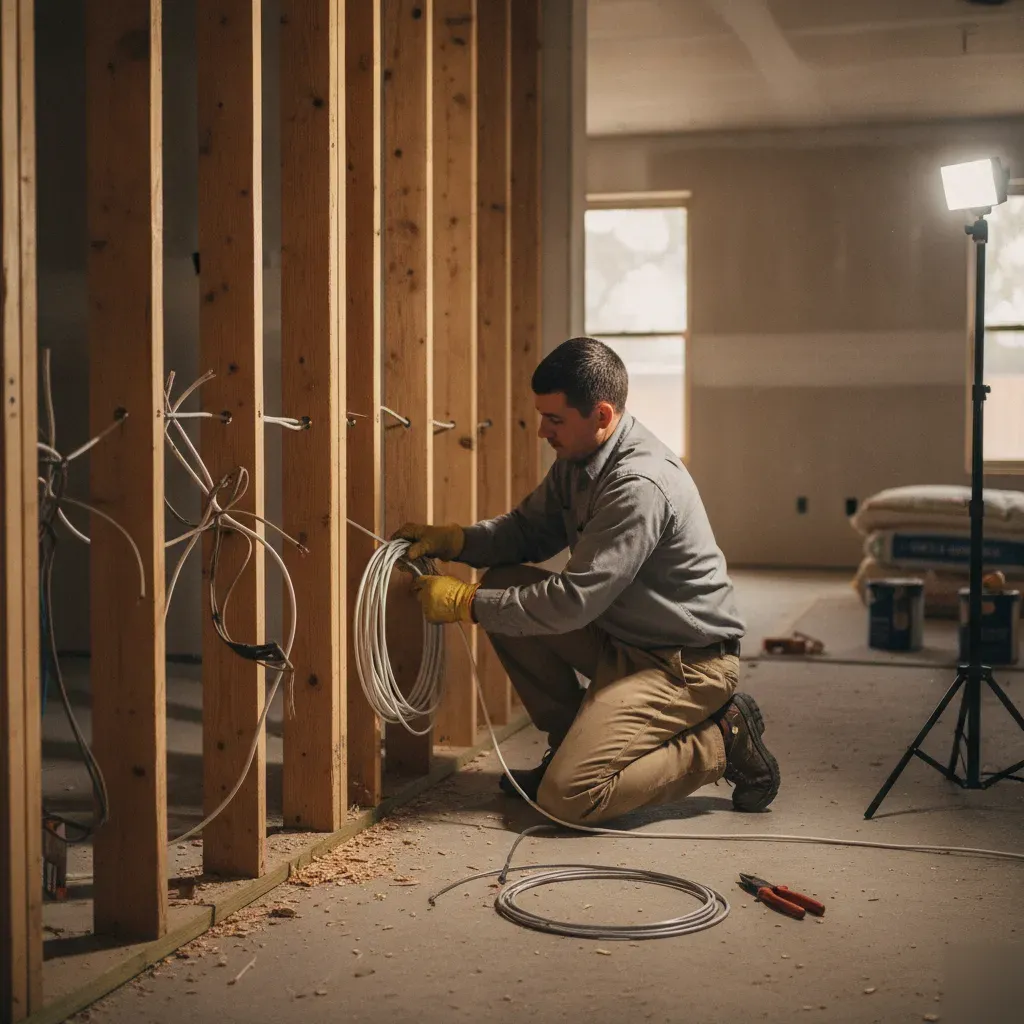
Need electrical wiring installation?
Get a Free Estimate
Signs Your Wiring Needs an Upgrade
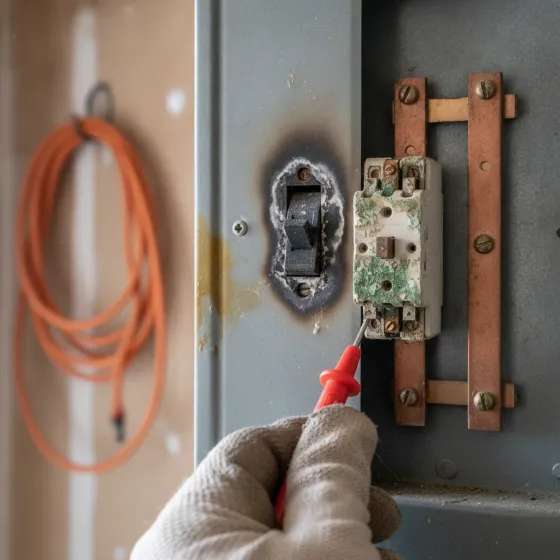
Quick Summary: Flickering lights, warm outlets, and a fuse box instead of breakers are all signs your Denton home's wiring may need a real upgrade, not just a patch job. Many homes near the older parts of Denton still run on wiring installed decades before modern electrical demand existed, and that gap shows up as tripped breakers, burning smells, or outlets that just stop working.
Most folks don't think about their wiring until something goes wrong. A light flickers when the AC kicks on. An outlet feels warm to the touch. That's not normal, and it's not something to wait on.
- Lights dim or flicker when the fridge, AC, or a hair dryer turns on
- Outlets or switch plates feel warm or smell faintly burnt
- Breakers trip regularly, or you still have a fuse box instead of breakers
- Rooms have too few outlets, so you're running extension cords across the floor
- Buzzing sounds from switches or outlets when you flip them
- Two-prong outlets with no ground, common in Denton homes built before the 1970s
We see that last one all the time on older streets near downtown Denton, where the housing stock predates modern code. Two-prong outlets can't handle today's electronics safely, and that's a wiring age issue, not a bad outlet.
Nine times out of ten, when a customer calls about a mystery trip or a warm switch plate, it traces back to wiring that's just tired. Not damaged exactly, just old. Old wiring wasn't built for the load a modern kitchen or home office puts on it. Pushing it past what it can handle is how you end up with a real problem instead of a small one.
Who Is Legally Allowed to Install Wiring in Texas
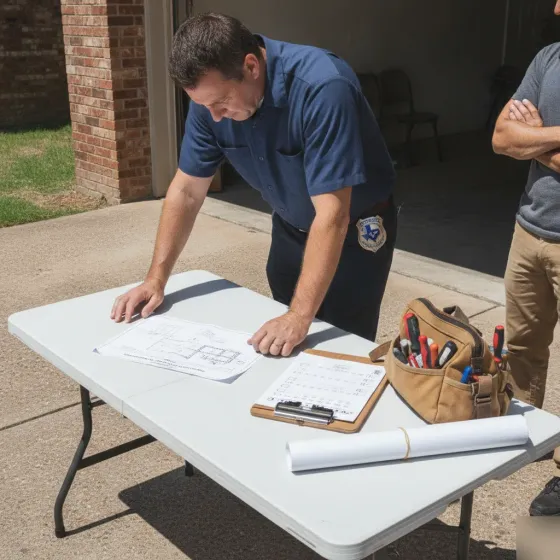
Here's the truth. Texas doesn't let just anyone pull wire through your walls and call it done. Electrical work on most homes and businesses has to be done by a licensed electrical contractor or someone working directly under one. That's not us being dramatic, that's the law protecting you.
What about doing it yourself? In some cases a homeowner can do limited work on their own primary residence. But the second you touch a permanent circuit, add new wiring, or tie into your panel, most jurisdictions want a permit pulled and an inspection scheduled. Skip that step and you could be looking at a house that's hard to sell later, or worse, a fire risk hiding behind drywall.
We're licensed to work throughout Denton County, and we pull permits when the job calls for it. That's not us padding the invoice, it's how the work gets signed off as safe.
Nine times out of ten, when someone tells us their uncle wired the garage, we end up finding at least one thing that needs fixing before we can move forward. Not always something dangerous. But often enough that we check first, every single time.
Ask any electrician for their license number before they start. A real one won't blink. And if they dodge the question, that tells you something too.
New Circuits for Growing Neighborhoods and Rewiring in Denton County
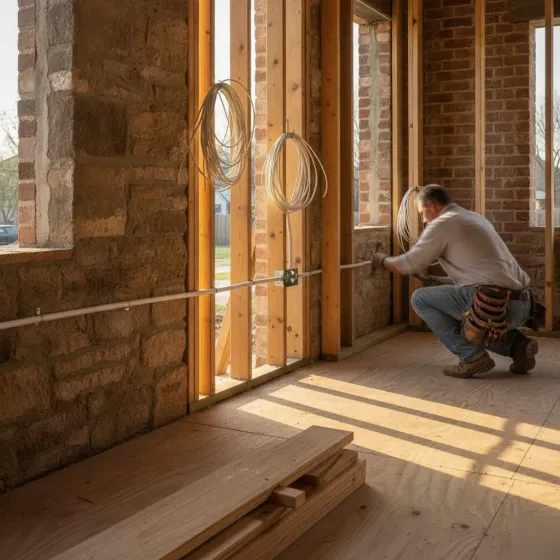
Denton's a funny mix. You've got homes near downtown that are pushing 60 or 70 years old, and you've got newer builds out toward the west side with three car garages and workshops that pull way more power than the panel was ever set up for. Both situations need new circuits. They just need them for different reasons.
Older homes were built for a lighter electrical load. Think one or two lights per room, no dishwasher, no microwave, no computer setup. Add all that in over the decades and you're asking a handful of circuits to do the work of a dozen. That's when breakers start tripping for no obvious reason, or outlets feel warm to the touch. It's not one appliance being greedy, it's the whole circuit being tapped out.
Newer neighborhoods have the opposite problem. Big garages, home offices, workshops, maybe a hot tub out back. The panel might be fine, it just doesn't have a dedicated circuit for that new addition. And that's an easy fix compared to a full rewire.
- Home built before the 1980s with original wiring still in the walls
- Frequent breaker trips when running two appliances at once
- Planning a garage workshop, home office, or room addition
- Outlets that only have two prongs instead of three
- Buzzing, warm switch plates, or lights that dim when the AC kicks on
Wondering whether you need one new circuit or a full rewire? That depends on the age of the home and what's already in the walls. We look at the panel first, that tells us most of the story.
Have questions? We're happy to help.
Get a Free Estimate. Higher Power Electric is ready to help.
When You Don't Need Full Wiring Installation
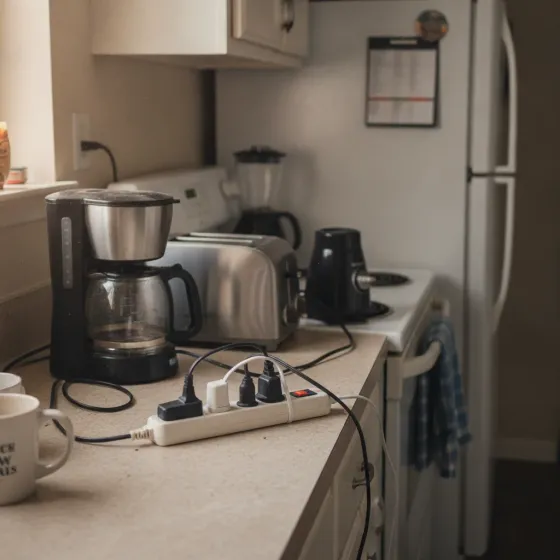
Full wiring installation isn't always the answer. We get calls all the time from folks who think their whole house needs rewiring when really it's one bad outlet or a breaker that's tired of an old space heater.
Here's how to tell the difference. If one outlet quit working but the rest of the room is fine, that's usually a simple electrical outlet and switch repair, not a rewiring job. Same goes for a fan that stopped spinning or a light fixture that flickers, that's a fixture or fan installation issue, not a wiring project. And if your breaker trips every time you run the microwave and the toaster at once, it's just an overloaded circuit, not damaged wiring underneath your walls.
- A single outlet or switch stopped working while nearby outlets are fine
- A breaker trips only with one specific appliance, not randomly
- You want to add a fan or fixture to a circuit that already works
- Your home was built after the early 2000s with standard copper wiring throughout
None of those situations call for tearing into your walls. They call for troubleshooting, a repair, or a straightforward circuit breaker repair, and that's a different appointment entirely.
Full wiring installation earns its keep in older homes with aluminum wiring, knob and tube systems, or repeated problems across multiple rooms, not a single hiccup in one room. If you're only dealing with one stubborn outlet, save your money.
What to Expect: Estimate, Permits, Installation, and Inspection
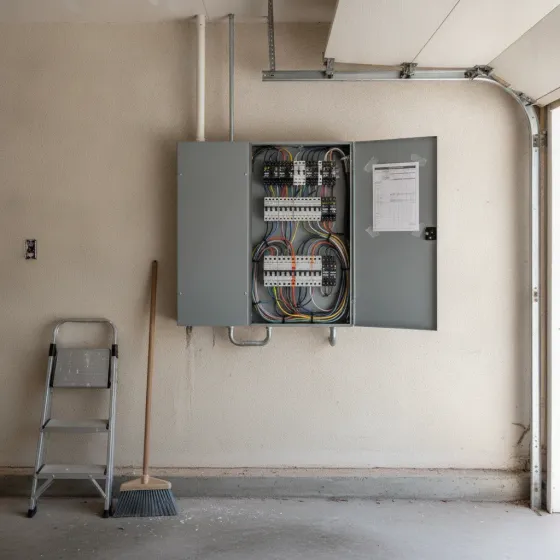
Wondering what happens once you call us? Let's walk through it.
Most jobs follow the same basic path. Doesn't matter if it's one new outlet or wiring for a whole room addition, the steps look about the same, just different in scope.
- We take a look at the space, either in person or over the phone for smaller jobs, and talk through what you need.
- We give you a free estimate, verbal or written, so you know what to expect before any work starts.
- If the job needs a permit, we handle pulling it. Denton County work on new circuits or panel-related jobs usually does.
- Our team runs the wire, sets the boxes, and makes all the connections according to code.
- Once we're done, the work gets inspected before we call it finished.
- We walk you through everything so you know what was done and why.
That permit step trips people up sometimes. Skipping it feels faster, it almost never is, and it can cause real headaches when you go to sell the house later.
We've seen homes in Denton where old additions got wired without anyone pulling paperwork. Years later that shows up during a home inspection and stalls a sale.
Rough construction weather in North Texas summers can also push timelines a day or two if we're working in an attic. We plan around it.
Good to know: As a licensed electrical contractor, we handle the permit process for you on jobs that require it, so you're not the one chasing down paperwork.
New circuits are worth planning around what else the room needs, so this job often runs alongside electrical outlet and switch repair for the devices already in place, and electrical fixture installation for the lighting going in afterwards. Our electrician services in Denton page shows where each one fits.
Frequently Asked Questions
Common questions about electrical wiring installation
Do you work throughout Denton County, or just certain neighborhoods?
We work all over Denton County, from the older streets near downtown Denton to the newer neighborhoods on the west side. Older homes usually need help because of outdated wiring, while newer builds often need new circuits for garages, workshops, or home offices. No matter where you live in the county, we're licensed to do the work and pull permits when the job needs one.
What happens when your electrician comes to look at my wiring?
We start by checking your panel, since that tells us most of the story about your home's electrical health. From there, we look at outlets, switches, and any rooms with reported problems, like warm switch plates or flickering lights. You'll get a clear answer about whether you need a small repair, a new circuit, or a bigger wiring upgrade before any work begins.
Why do so many older Denton homes have two-prong outlets?
Two-prong outlets are common in Denton homes built before the 1970s, especially near downtown Denton. Homes from that era just weren't wired with a ground wire, which today's electronics and appliances need to run safely. This isn't a bad outlet issue, it's a sign the wiring itself is old. If your home still has these, it's worth having your wiring checked for other age-related problems too.
Do I need a permit for new electrical circuits in Denton?
Yes, most new circuits and panel work require a permit and inspection in Denton County. This protects you, since unpermitted work can cause problems when you go to sell your home later. A licensed electrical contractor should pull the permit and schedule the inspection as part of the job. If someone offers to skip that step, that's a red flag worth asking about before they start.
How do I know if I need a full rewire or just a repair?
You likely need a full rewire if problems show up in multiple rooms, not just one outlet. A single dead outlet or a breaker that trips with one specific appliance is usually a simple repair, not a wiring project. But homes with aluminum wiring, knob and tube systems, or repeated trips across the house point to wiring that's tired throughout, not one bad spot.
Can I install new wiring myself to save money?
In Texas, homeowners can do some limited work on their own primary residence, but most new wiring and panel work needs a licensed electrical contractor. The moment you add a permanent circuit or tie into your panel, most areas require a permit and inspection. Skipping that step can leave hidden problems behind your walls, or make your home harder to sell down the road.
Our Electrician Services in Denton
- Electrical Outlet & Switch RepairDead outlets, GFCI trips and buzzing switches — including ungrounded two-prong wiring downtown.
- Electrical Fixture InstallationCeiling fans, chandeliers and recessed lighting — and the rated box each one actually needs.
- Electrical InspectionsRoom-by-room checks of panel, outlets and attic wiring, plus permit and storm-damage inspections.
- Electrical Panel RepairLoose lugs, corroded breakers and buzzing panels — fixing the fault instead of replacing the box.
- Electrical Panel Replacement or UpgradingWhen an older 60 or 100 amp panel can no longer carry the load, and what a full upgrade involves.
- Electrical Wiring RepairFlickering lights, warm outlets and aging cloth or knob-and-tube wiring in older Denton homes.
- Network CablingWired ethernet drops for homes and offices where Wi-Fi cannot reach through plaster or brick.
- Generator Interlock InstallationSafe, code-compliant backup power from a portable generator, matched to your panel brand.
See every service on our Electrician in Denton page.
Request a Free Estimate
Tell us what you need and we will call you back — usually the same day.
Ready to Get Started?
Get a Free Estimate. Call (972) 971-2131 today.