 Skip to Main Content
Electrical Outlet & Switch Installation in Denton: Get It Wired Right the First Time
Trusted Denton electricians with over 50 years of experience
- Free estimates, verbal or written
- 50+ years of combined experience
- Serving all of Denton County
- 100% satisfaction guarantee
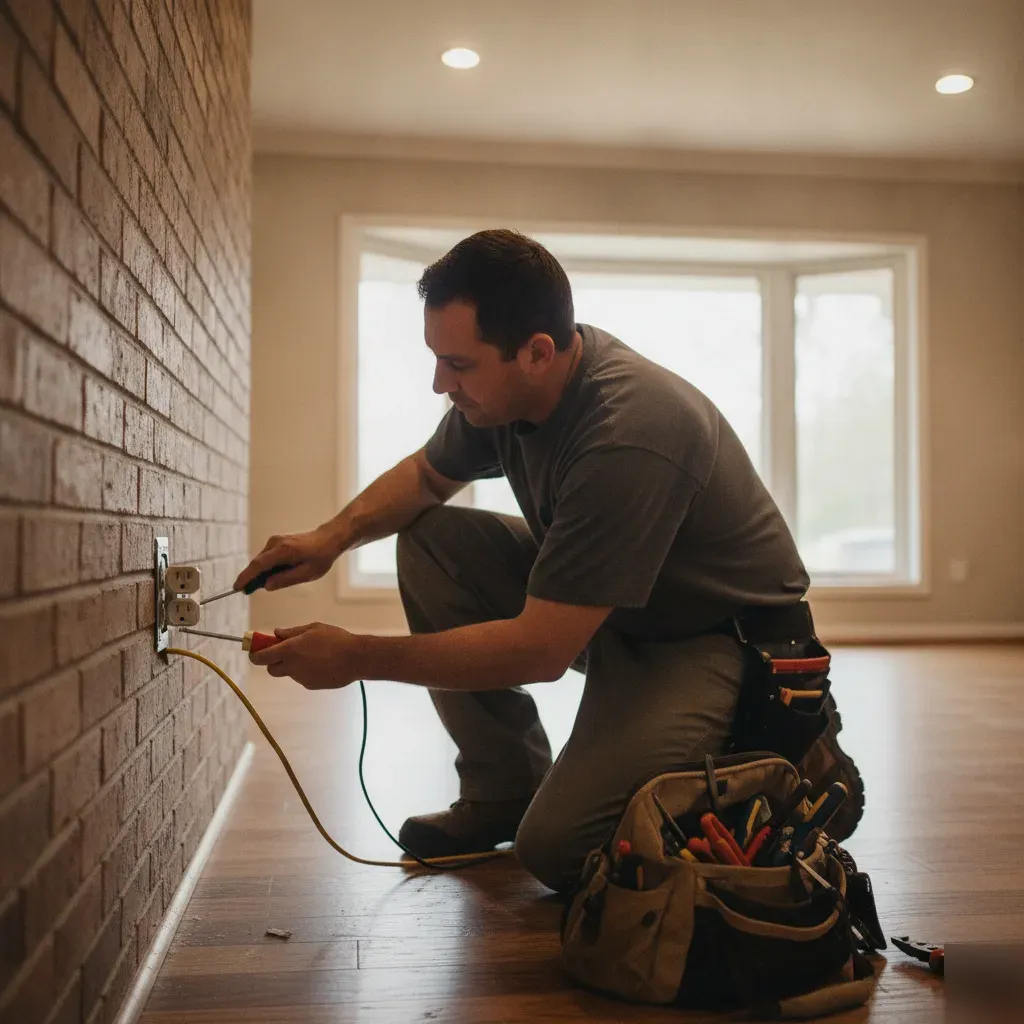
Need electrical outlet and switch installation?
Get a Free Estimate
Signs Your Outlets or Switches Need Replacing
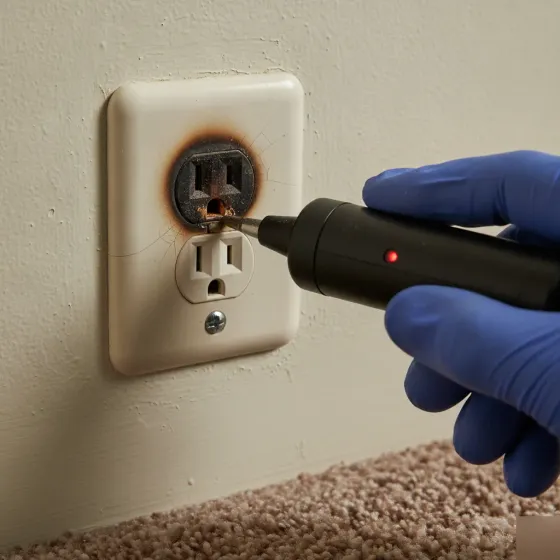
Quick Summary: Warm outlets, loose plugs, and switches that buzz or flicker are your home telling you something's wrong underneath. Ignoring these signs almost always costs more later, whether that's a tripped breaker at 2am or a scorched outlet plate. Catching them early is the whole point of getting ahead of Electrical outlet & switch installation instead of waiting for a failure.
So how do you know it's time? It's not one big dramatic sign. It's small stuff you brush off for weeks.
- The outlet feels warm or slightly hot to the touch when nothing's even plugged in
- A switch buzzes, crackles, or hums when you flip it
- Plugs feel loose and fall out of the wall on their own
- You see scorch marks or a burning smell near the cover plate
- The switch plate itself feels warm, or the wall around it does
Older Denton homes, especially the ones built before the 1980s near downtown, often still have outlets that were never grounded. Those two-prong outlets aren't just old-fashioned, they're a real limit on what you can safely plug in. We see this every single week.
Here's the thing, a flickering light isn't always the bulb.
Sometimes it's a loose switch connection working itself apart a little more every time you flip it. And a GFCI outlet that won't reset in the kitchen or bathroom isn't being stubborn, it's doing its job and telling you there's a fault somewhere in the circuit. If you're standing there wondering whether it's worth a call, that's usually a sign it is.
When a Quick DIY Fix Is Enough
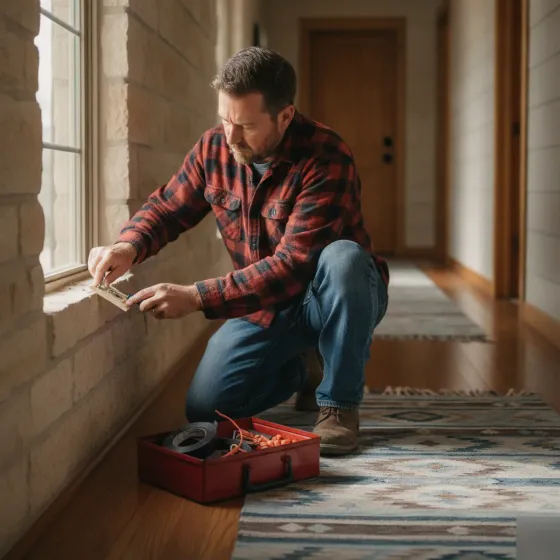
Look, we'd rather tell you the truth than talk you into a service call you don't need. Some outlet and switch problems really are simple. A loose cover plate, a sticky toggle switch, a plug that's just dusty or slightly bent - those you can handle with a screwdriver and five minutes.
- A cover plate screw that's stripped or missing
- A light switch that feels stiff but still works fine
- A discolored outlet cover that just needs a swap
- A dimmer knob that's loose but the dimmer itself works
None of that involves touching wires. If the metal box behind the plate is exposed or you're not sure what you're looking at, stop there. That's the line.
But here's where people get themselves in trouble. Swapping a switch or outlet yourself means you're working with live wiring, even with the breaker off there's still a chance of miswiring something. We see burnt outlets almost every week where someone's DIY fix went sideways months later. A reversed hot and neutral wire won't always show a problem right away, it can just sit there until it does.
So if the fix is cosmetic, go for it. If it involves the actual device, the wiring, or anything warm to the touch, that's a different job.
What Happens During a Denton Outlet or Switch Installation
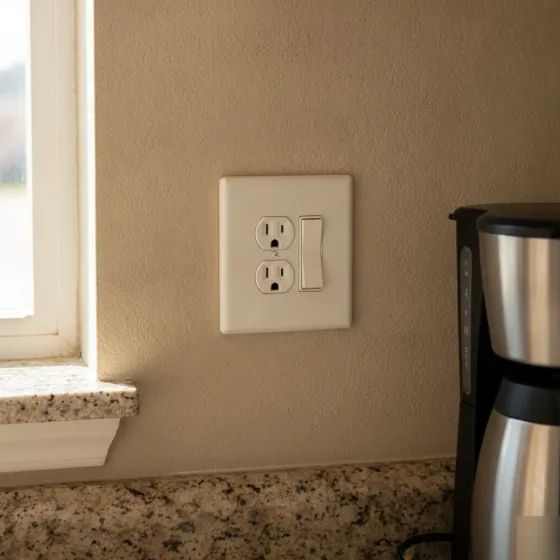
So what happens when we show up? It's not complicated, but there's a right order to do things in. Skip a step and you end up with a switch that hums or an outlet that trips for no reason.
A lot of homes near downtown Denton still have outlets from decades back, two-prong, no ground wire, sometimes painted over three or four times. Before anything gets swapped, we check what's feeding that box.
- Kill the power at the breaker and test the wire dead before touching anything.
- Pull the old device and check the box condition, wire type, and grounding.
- Confirm the circuit can handle the new outlet or switch, especially in kitchens and garages.
- Install the new device, torque the connections, and tuck the wires back in clean.
- Restore power and test with a plug tester or the switch load itself.
- Walk the room with you so you can see it work before we pack up.
Usually it's a straightforward swap. But every so often we open a box and find backstabbed wires from an old remodel, or a ground wire that was never connected. That's when the visit takes a little longer, and that's the whole point of having someone check it properly instead of guessing.
Picture this: you flip a switch and the fan light flickers before it comes on. That flicker is usually a loose connection, not a bad fixture.
We test everything before we call the job done. No exceptions.
Have questions? We're happy to help.
Get a Free Estimate. Higher Power Electric is ready to help.
What to Ask Before You Book This Job
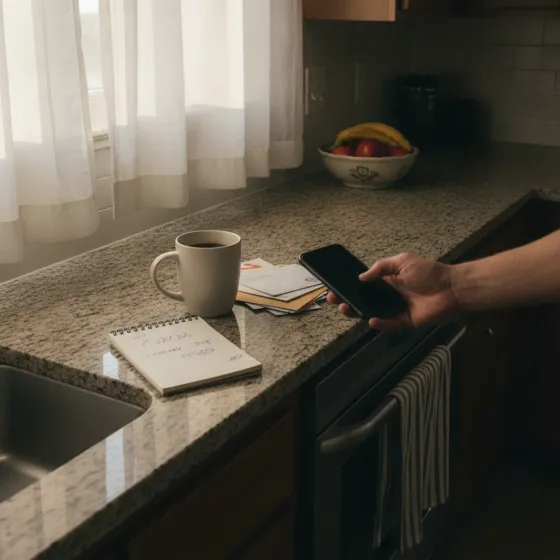
Before you hire anyone for outlet or switch work, ask a few questions first. It'll save you headaches later.
A lot of folks just want the cheapest quote. We get it. But the questions you ask up front tell you more than any price ever will. So here's what we'd want you to ask, if you called us or anyone else.
- Are you a licensed electrical contractor, and can you show proof if asked?
- Will you check the breaker and wiring before installing, not just swap the device?
- Does this outlet or switch need to be GFCI or AFCI protected under current code?
- Will you pull a permit if the work requires one?
- What happens if you find damaged wiring once the cover plate comes off?
- Can I get a written or verbal estimate before work starts?
That last one matters more than people think. An outlet job can turn into a wiring repair job fast, once someone opens the box. Often it's a loose connection or old wiring that's been overheating quietly for years. You want someone who'll stop and tell you that, not just cap it off and move on.
Ask about their process, not just their price.
Higher Power Electric offers free estimates, verbal or written, on just about any job, so you're never guessing what a fair evaluation looks like before committing.
Protecting New Outlets and Switches Through Texas Summers
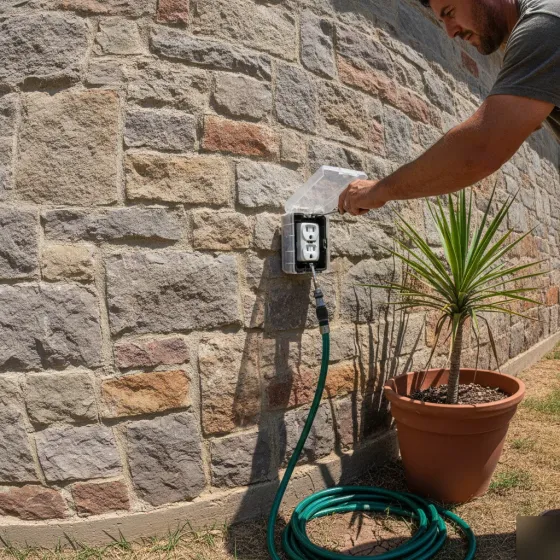
Denton summers get brutal. We're talking triple digit days that stretch on for weeks, and that heat doesn't stay outside. It climbs into your attic, soaks into exterior walls, and puts real stress on anything wired into your home.
Outdoor outlets take the worst of it. Sun beats down on the cover plates, plastic housings expand and contract, and any gap in the seal lets moisture creep in during a surprise thunderstorm. We've pulled covers off outdoor outlets in August that were warm to the touch just from sitting in direct sun all day. That's normal, but it's also why the installation itself matters so much. A properly sealed, weather-rated outlet handles that heat cycle for years. A cheap or rushed job cracks and fails within a summer or two.
Indoor switches feel it too, especially ones on exterior walls or near attic access points. Heat pushes into the switch box, and if wiring was packed in too tight or connections weren't torqued right, that extra heat is what finally causes a loose connection to arc.
- Outdoor outlets need weather-resistant, in-use covers rated for direct sun exposure
- GFCI protection is required for exterior circuits and matters even more once summer humidity hits
- Switch boxes near attics should have proper clearance so trapped heat doesn't stress the wiring
- Loose connections that seem fine in spring often show up as warm cover plates by July
So when we install outlets and switches here, we're not just thinking about today. We're thinking about what that connection is going to do in July when the attic hits 140 degrees. That's the difference between a fix that lasts and one you're calling us about again next summer.
Adding outlets is often part of a larger plan for the room, so this job commonly runs with light fixture installation or ceiling fan installation while the circuit is already open. You can see the full set on our electrical installation services in Denton page.
Frequently Asked Questions
Common questions about outlet and switch installation
How quickly can you get someone out to fix an outlet or switch in Denton?
We schedule most outlet and switch calls within a day or two of your call. If something's warm to the touch, buzzing, or smells like it's burning, tell us that right away so we can move you up. Those signs point to a wiring problem that shouldn't wait. For routine swaps, like replacing an old two-prong outlet, a standard appointment works just fine and gives us time to check the wiring properly.
What happens when your electrician arrives for an outlet or switch job?
Your electrician kills power at the breaker first, then tests the wire dead before touching anything. From there, we pull the old device, check the box condition and grounding, and confirm the circuit can handle the new outlet or switch. Once it's installed, we restore power and test it with a plug tester or the switch load itself. Then we walk the room with you so you see it working before we leave.
Why do so many older Denton homes still have two-prong outlets?
Homes built before the 1980s near downtown Denton were often wired without a ground wire, which is why you still see two-prong outlets today. They're not just old-fashioned, they limit what you can safely plug in, especially larger appliances or anything with a three-prong plug. Replacing them means checking the box and wiring first, not just swapping in a new outlet, since the grounding issue underneath needs to be addressed too.
Can I replace a light switch or outlet myself, or should I call an electrician?
You can handle cosmetic fixes yourself, like a loose cover plate or a discolored outlet cover. But swapping the actual switch or outlet means working with live wiring, even with the breaker off. We see burnt outlets almost every week from DIY jobs that went sideways months later, often from a reversed hot and neutral wire that didn't cause problems right away. If it involves the device or wiring itself, that's a call worth making.
Do outdoor outlets need special protection in Denton's heat?
Yes, outdoor outlets need weatherproof covers and GFCI protection to hold up through Denton summers. Triple-digit heat causes plastic housings to expand and contract, and any gap in the seal lets moisture creep in over time. That combination stresses the wiring behind the cover plate more than most people realize. Checking the seal and GFCI function each spring helps catch problems before the worst of summer heat sets in.
How do I know if a flickering light is the bulb or the switch?
A flickering light is often the switch, not the bulb, especially if it flickers before settling on. That flicker usually points to a loose wire connection working itself apart a little more each time you flip the switch. It's easy to blame the bulb and swap it, but if the flicker keeps happening after a new bulb, the switch connection is the real issue and should get checked.
Our Electrical Installation Services in Denton
- Electric Car Charger InstallationTesla and Level 2 chargers, including the dedicated circuit and any panel work they depend on.
- Fan InstallationCeiling fans for bedrooms, living rooms and patios, mounted on a box actually braced to hold one.
- Light Fixture InstallationCeiling lights, pendants, chandeliers, recessed cans and under-cabinet lighting, wired and tested.
- Outdoor Lighting InstallationPorch, security and landscape lighting — design, trenching, wiring and timers.
See every service on our Electrical Installation Service in Denton page.
Request a Free Estimate
Tell us what you need and we will call you back — usually the same day.
Ready to Get Started?
Get a Free Estimate. Call (972) 971-2131 today.